
NFL
Donald Trump Declares America Will No Longer Tolerate Iran’s Actions, Promising a Tougher, More Aggressive Strategy to Defend U.S. Interests in the Middle East as JD Vance trip to Pakistan for peace talks Cancelled because Iran won’t show up

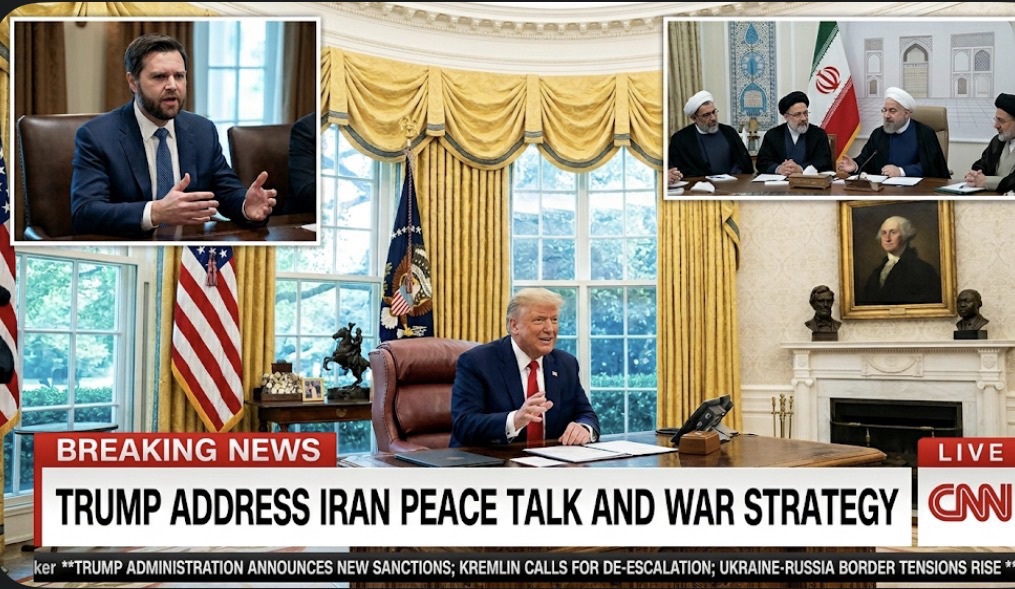
President Donald Trump Signals Hardline Shift on Iran, Raising Stakes in the Middle East
Tensions between the United States and Iran are once again intensifying, as President Donald Trump adopts an increasingly confrontational tone toward Tehran. In recent remarks, the president made it clear that his administration is prepared to take a far more aggressive stance, signaling what could be a significant turning point in U.S. foreign policy in the Middle East.
Framing Iran as a central threat to regional stability, Donald Trump emphasized that the United States would no longer tolerate actions that endanger its interests, allies, or critical global trade routes. His rhetoric suggests a shift away from cautious diplomacy toward a posture that prioritizes deterrence through strength, with the implicit warning that military options remain on the table.
The president’s statements come amid already heightened tensions in the region, where long-standing rivalries, proxy conflicts, and disputes over strategic waterways continue to create a volatile environment. Analysts note that such strong language, while intended to project resolve, can also increase the risk of miscalculation. When both sides escalate rhetorically, the space for de-escalation often narrows.
Supporters of the administration argue that a firm stance is necessary to counter what they view as years of unchecked Iranian influence across the Middle East. They contend that clear, forceful messaging may serve as a deterrent, discouraging further provocations and reinforcing U.S. credibility on the global stage.
Critics, however, warn that escalating threats could push the situation toward open conflict. They argue that diplomacy, even when difficult, remains essential in preventing a broader regional war that could have far-reaching consequences for global security and energy markets. Concerns are also growing among international observers that rising tensions could disrupt key shipping routes and further destabilize already fragile economies.
As the situation evolves, much will depend on how both Washington and Tehran navigate the current standoff. Whether the president’s hardline approach leads to renewed negotiations or deeper confrontation remains uncertain. What is clear, however, is that the stakes are rising—and the world is watching closely as one of the most consequential geopolitical rivalries enters a new and potentially dangerous phase.

Taylor Swift and Travis Kelce Join Justin and Hailey Bieber, Kylie Jenner and Timothée Chalamet for Star-Studded Wedding Group Photos as A-List Guests Celebrate Knicks Karl-Anthony Towns and Jordyn Woods’ Big Day

Taylor Swift Poses With Bride and Groom Alongside Family and Friends in group photo at Oli Jacobs and Laura Sisk’s Star-Studded Wedding

Travis Kelce Spotted Dancing With Sabrina Carpenter at Oli Jacobs and Laura Sisk’s Star-Studded Wedding as Taylor Swift Looks On

Taylor Swift and Travis Kelce Arrive in Style for Karl-Anthony Towns and Jordyn Woods’ Wedding, Joining Justin Bieber, Hailey Bieber, Kylie Jenner and Timothée Chalamet

Taylor Swift and Sabrina Carpenter Spotted Together at Oli Jacobs and Laura Sisk’s Wedding as the Pop Stars Share a Sweet Moment Amid the Celebration

Miles Apart, Rings in Sync: Taylor Swift and Travis Kelce Show Off Their Matching Wedding Bands in a Sweet Newlywed Display

Taylor Swift Flashes Wedding Ring and Gold Band as She Steps Out With Travis Kelce for Oli Jacobs and Laura Sisk’s Star-Studded Nuptials

Taylor Swift and Travis Kelce Spotted Leaving 1587 Prime Steakhouse Together After Pop Superstar Attended Chiefs Star’s First Preseason Game Against the Rams

Taylor Swift Spotted Arriving in Kansas on Her Private Jet Ahead of Chiefs vs. Rams Game at Arrowhead Stadium as She Makes Her Way Back to the City to Support Husband Travis Kelce

Taylor Swift and Travis Kelce Are “Very Grateful” and “So Excited” About Married Life as They Begin Their Next Chapter and Plan for a Baby, Source Says

Chiefs star Travis Kelce and Taylor Swift Enjoy Lunch With ‘Ted Lasso’ Star Jason Sudeikis as Pop Superstar Shares Her Famous Sourdough Bread
