
NFL
President Trump Reaffirms Full Support for ICE Personnel Amid Growing Protests and Minnesota Government Lawsuit Challenging Federal Immigration Enforcement Policies and His Administration

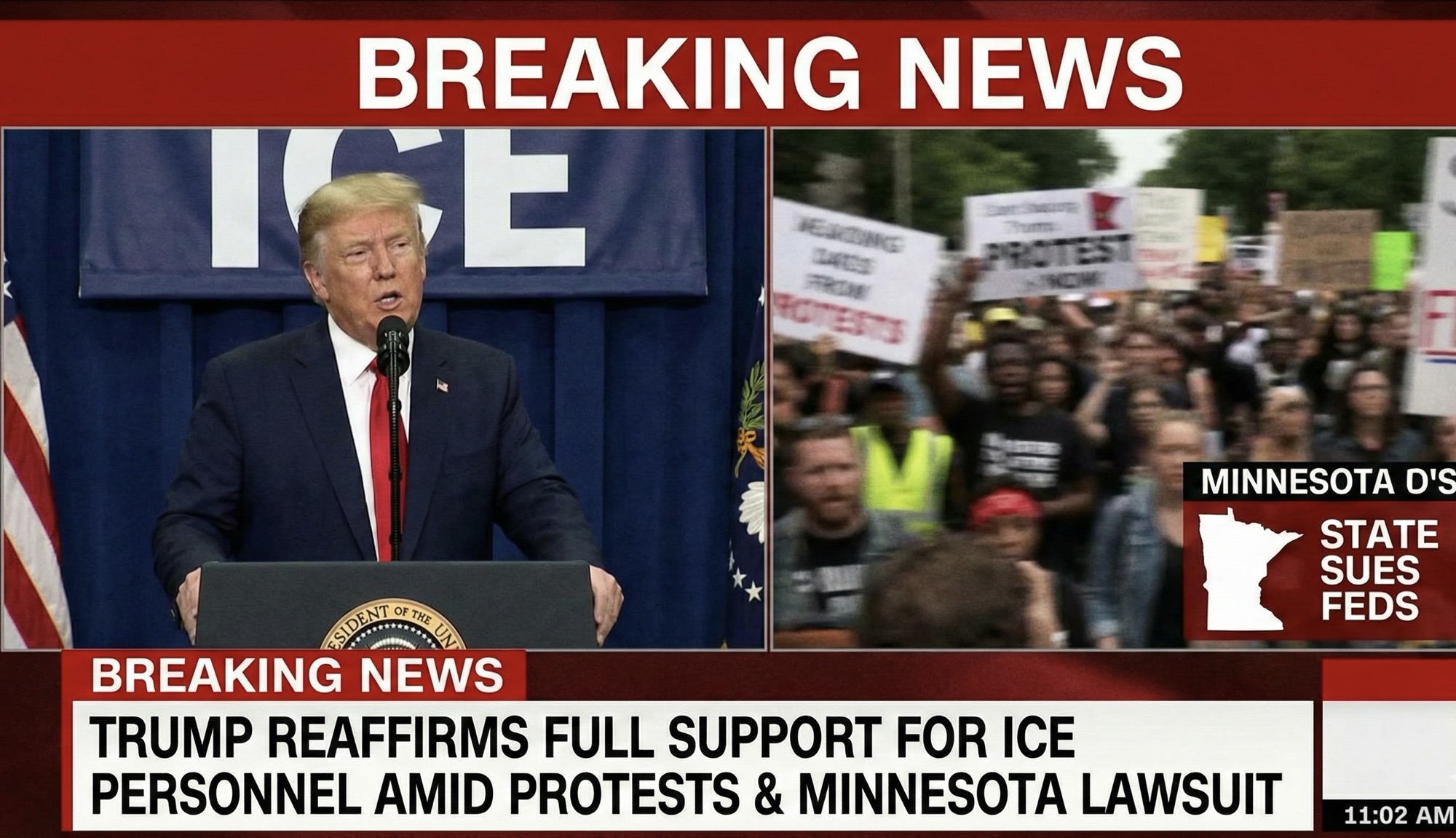
Trump Reaffirms Support for ICE Amid Minnesota Lawsuit and Protest Movements
President Donald Trump has restated his administration’s full support for U.S. Immigration and Customs Enforcement (ICE) as protests continue across parts of the country and the Minnesota state government pursues legal action against federal immigration enforcement policies.
During recent remarks, Trump praised ICE personnel as “brave men and women” who serve on the front lines of immigration enforcement and community safety. He argued that critics of the agency misunderstand its mission, emphasizing that ICE’s criminal enforcement work focuses on individuals convicted of serious offenses. The President dismissed demonstrations targeting the agency as politically motivated, describing the protesters as “radical left-wing agitators” and saying they “should be ashamed of themselves” for opposing the removal of people convicted of violent crimes from U.S. communities. His statements reflect the administration’s broader effort to defend federal immigration enforcement amid growing political pressure.
Minnesota Files Lawsuit Against Federal Immigration Authorities
At the state level, Minnesota has taken formal legal action challenging aspects of the federal government’s approach to immigration enforcement. The lawsuit centers on claims that federal directives are overstepping state rights and straining local systems. Minnesota officials argue that the state should have greater say in how immigration policies are carried out within its borders, and that sudden enforcement actions can create logistical and legal conflicts with local jurisdictions.
State leaders in Minnesota have also voiced concerns about the level of transparency surrounding enforcement operations. The lawsuit seeks judicial intervention to clarify federal and state authority, potentially reshaping how immigration enforcement is coordinated in the region.
Protests Reflect Broader National Debate
Meanwhile, protests against ICE have taken place in Minnesota and other states, drawing activists, immigrant advocacy groups, and community members. Demonstrators argue that federal enforcement policies are overly aggressive, destabilize immigrant families, and create fear in communities with large noncitizen populations. They have called for a reevaluation of immigration priorities and more humane approaches to policy.
The protests illustrate how immigration enforcement has become one of the most divisive issues in American politics, with drastically different perspectives on public safety, federal power, and the treatment of noncitizens.
The White House Response
In response to both the demonstrations and Minnesota’s lawsuit, Trump doubled down on his support for ICE, framing the agency as essential to public safety. Administration officials have pointed to data indicating that ICE removes individuals convicted of serious criminal offenses each year, arguing that ending or restricting such enforcement would harm communities.
The White House also dismissed the Minnesota lawsuit as a politically motivated challenge designed to limit federal authority over immigration, which has long been recognized as an area controlled primarily by the federal government.
Looking Ahead
Legal experts expect the Minnesota lawsuit to move through the courts over the coming months, potentially setting up a high-profile clash over state and federal jurisdiction. Activist groups plan to continue demonstrations, while ICE remains central to a national debate that blends legal, moral, and political arguments.
For now, the Trump administration shows no signs of shifting its stance. With a combative tone toward protesters and unwavering praise for ICE personnel, the President has made it clear that immigration enforcement will continue to be a defining issue — not only for his administration, but for the broader political landscape in the United States.

Donald Trump Issues Strong Warning to Governors and Legislatures — Threatens To Cut Funding to States Interfering With ICE Detentions, Arrests, and Information Sharing

Congressional Oversight Panel Subpoenas Melania Trump, Call Her to testify, under oath, before Congress regarding what she knows about Epstein and Donald Trump

Donald Trump Declares Plan to Sue Michigan Ford Plant Employee for Defamation Claims for shouting “Pedophile Protector” During Factory Tour, After the Worker Receives Suspension From Company Officials

President Trump Reaffirms Full Support for ICE Personnel Amid Growing Protests and Minnesota Government Lawsuit Challenging Federal Immigration Enforcement Policies and His Administration

Supreme Court Hits Donald Trump Tariffs as Illegal and Unconstitutional Overreach, Compelling Immediate Refunds While Democrats Demand Further Investigations and Republicans Cry Foul

Supreme Court’s Intervention in Red State Transgender Athlete Bans Sets Up Major Showdown Between Republican Legislatures Prioritizing “Fairness in Sports” and Federal Agencies Emphasizing Civil Rights Compliance Under Title IX

Taylor Swift and Travis Kelce Spotted Arriving Together for a Low-Key Date Night in Beverly Hills After Golden Globes Glam

Supreme Court Issues Emergency Injunction Temporarily Restricting Key ICE Enforcement Actions in Minnesota as Legal Challenges Move Forward After State Files Lawsuit Alleging Constitutional Violations, ICE killing and Unlawful Use of Force Under the Donald Trump Administration.

“Before He Drags Us All Down”: Taylor Swift Makes an Unprecedented Plea to America’s Highest Powers (Congress and Supreme Court) to Stop Donald Trump.

President Donald Trump Drafts Unprecedented Executive Order to Prosecute Online Criticism as an Act of “Treason”

Taylor Swift Issues Stern Call to Action Against Donald Trump, Claiming That Without Swift Intervention by Congress and the Supreme Court, the United States Could Be Pulled Into Unprecedented Turmoil and Destruction
