
NFL
Iran Calls Bluff on Donald Trump’s 48-Hour Deadline to Reopen the Strait of Hormuz, Warns Any Further Strike on Energy Infrastructure Will Trigger Severe Retaliation on America Soil

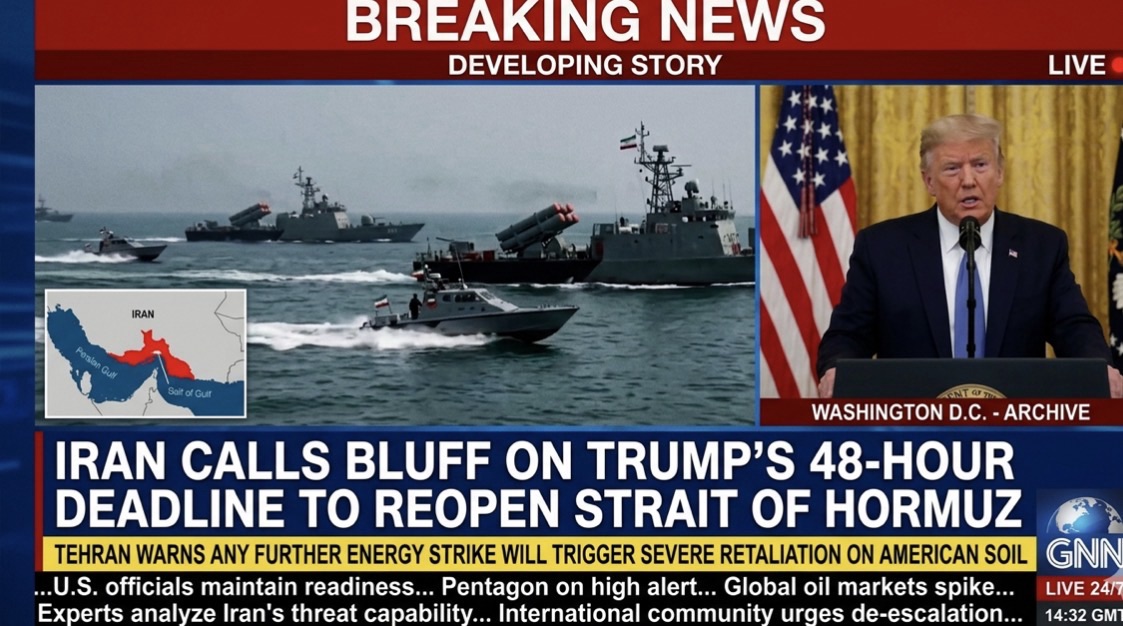
Iran Calls Bluff on Donald Trump Threat, Warns U.S. Will “Regret It in the Worst Possible Way”
Tensions between the United States and Iran have sharply escalated after Tehran dismissed a dramatic ultimatum issued by Donald Trump , warning that any American strike would trigger severe consequences across the region.
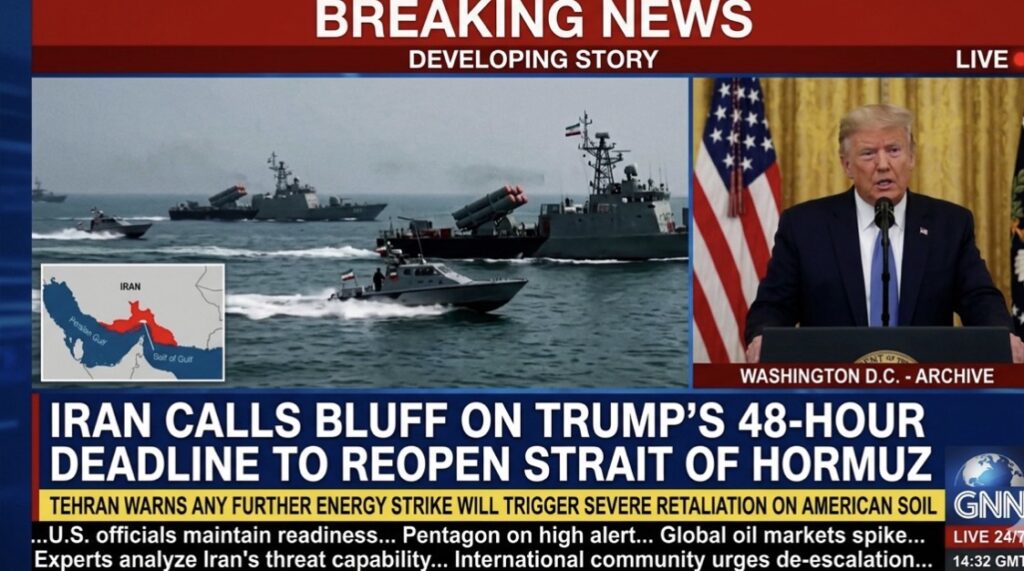
The warning from Washington came after Trump reportedly demanded that Iran fully reopen the strait of Hormuz within 48 hours, threatening to target the country’s major power infrastructure if the demand was not met. The Strait of Hormuz is one of the world’s most critical oil transit routes, making any disruption a major global concern.
In a swift and defiant response, Iranian officials rejected the ultimatum outright, calling it a “bluff” and accusing the United States of attempting to intimidate the country through threats of force. Tehran made it clear that it would not bow to pressure, instead signaling readiness to respond decisively if attacked.
“Iran will not negotiate under threats,” a senior official said, adding that any strike on its energy or civilian infrastructure would be met with retaliation “in the worst possible way.” While no specific targets were named, analysts say such language often implies potential attacks on U.S. military assets, allied bases, or critical infrastructure in the Middle East.
The exchange has intensified fears of a broader regional conflict, particularly as both sides adopt increasingly aggressive rhetoric. Military experts warn that targeting power plants could be seen as a major escalation, potentially violating international norms and inviting a large-scale response.
The situation is further complicated by the strategic importance of the Strait of Hormuz, through which a significant portion of the world’s oil supply passes. Any conflict in the area could disrupt global energy markets, sending oil prices soaring and impacting economies worldwide.
Despite the heated rhetoric, some observers believe both sides may still be attempting to avoid direct confrontation, using strong language as leverage rather than signaling immediate military action. However, with tensions rising and warnings growing more severe, the risk of miscalculation remains high.
As the 48-hour window referenced in Trump’s warning draws closer, the international community is watching closely, urging restraint and calling for diplomatic solutions to prevent a potentially devastating conflict.

Taylor Swift’s Special Night Gets Even More Heartwarming as Travis Kelce, Donna Kelce and Andrea Swift Join Her After She Leaves the Podium Following Her Nashville Songwriters Hall of Fame Recognition

Taylor Swift Invites Husband Travis Kelce Onto the Stage and Shares a Heartwarming Hug With Him as She Receives Her Nashville Songwriters Hall of Fame Recognition, Making the Special Career Milestone Even More Memorable

Taylor Swift Celebrates Another Major Career Milestone as She Is Inducted Into the Nashville Songwriters Hall of Fame, With Husband Travis Kelce Proudly Watching as the Global Superstar Receives Recognition for Her Legendary Songwriting Legacy

Beyoncé and Jay-Z Mark Two Decades of Ace of Spades Champagne at Caesars Palace in Las Vegas, With Taylor Swift and Travis Kelce Also Spotted at OMNIA Nightclub Sharing Warm Hugs With the Power Couple

Drake Turns Heads at the Airport Alongside His Goth Baddie Pinkchyu, Wrapping Himself in a Red Chanel Scarf After His Lavish 40th Birthday Celebration in NYC

No Smiles, No Hand-Holding, No Time for Fans! Travis Kelce Looks Dejected Leaving Lumen Field With Taylor Swift After Chiefs’ Heartbreaking Defeat to the Seahawks

Travis Kelce and Taylor Swift Steal the Spotlight Alongside Selena Gomez in Glamorous Star-Studded Appearance Ahead of Her Fourth Annual Rare Impact Fund Benefit Supporting Youth Mental Health

Three-Time Super Bowl Champion Emmitt Smith Defends Taylor Swift Amid NFL Game Criticism, Insists Travis Kelce’s Wife Is Simply There to Support Her Husband and Enjoy Life

Travis Kelce’s Wife Taylor Swift Donates $1 Million to Kansas City Chiefs’ Crucial Catch Luncheon as the Popster Steps Up to Support Cancer Awareness, Early Screening and Efforts to Help More Families Detect the Disease Sooner

Taylor Swift and Travis Kelce Turn Heads After a New York Dinner Date as the Chiefs TE Meets With Publicis Sports Clients and NFL Pass Rusher Kayvon Thibodeaux to Explore the Future of NIL and Athlete Branding

Taylor Swift and Travis Kelce Turn Heads as They Step Out of a New York Restaurant After Enjoying a Cozy Dinner With Friends, Bringing Their Latest Night Out Together Into the Spotlight
