
NFL
New Report Reveals Missing U.S. Airman in Iran Is a Highly Skilled Weapons Systems Officer With Advanced Survival and Evasion Training in Hostile and Remote environments

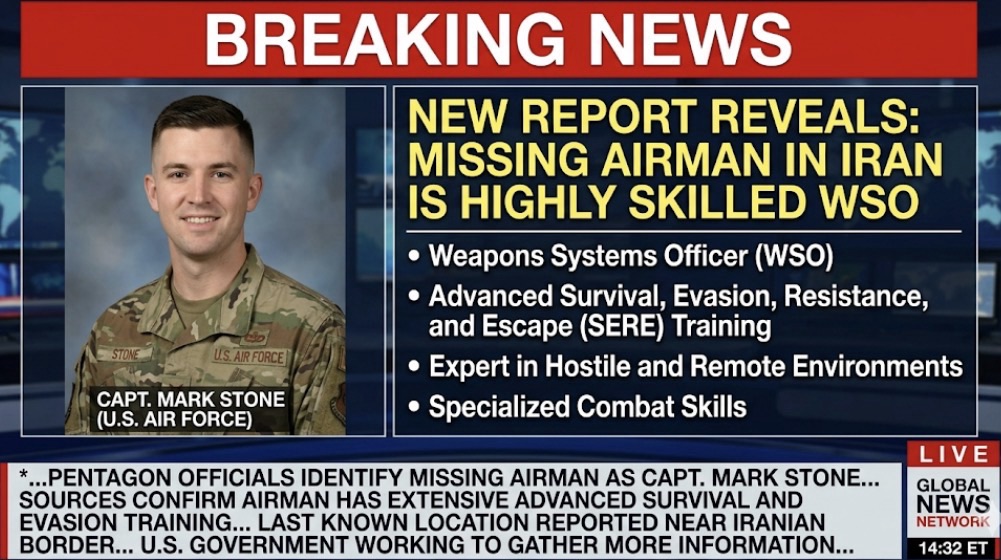
Report: Missing U.S. Pilot in Iran Is Elite Weapons Officer Trained for Survival in Hostile Terrain
A newly surfaced report has revealed that the missing U.S. airman believed to have gone down in southern Iran is not just a pilot, but a highly trained weapons systems officer with advanced survival expertise, raising both hope and urgency as search efforts continue.
According to defense sources cited in the report, the airman was part of the crew aboard a U.S. fighter jet that was shot down during escalating tensions in the region. While one crew member has reportedly been accounted for, the second — now identified as a weapons officer — remains missing in a remote and dangerous area.
What sets this case apart is the missing officer’s specialized training. Weapons systems officers undergo rigorous preparation not only in combat operations but also in survival, evasion, resistance, and escape (SERE) techniques. This training is designed to help them endure extreme conditions, avoid capture, and navigate hostile environments with limited resources.
Military analysts say this could significantly improve the chances of survival, even in the rugged and unfamiliar terrain of southern Iran. The region is known for its harsh climate, mountainous landscapes, and limited accessibility — factors that complicate both evasion and rescue missions.
“This level of training is specifically meant for scenarios like this,” one defense expert noted. “Operating alone, avoiding detection, and staying alive in hostile territory are exactly what these officers are prepared for.”
Despite that, the situation remains highly volatile. Iranian forces are reportedly conducting search operations of their own, while U.S. officials are carefully monitoring the situation and weighing potential recovery options. Any rescue effort would carry significant risk, especially amid heightened geopolitical tensions.
The report has intensified focus on the missing airman’s condition and location, as well as the broader implications of the incident. Questions remain about whether the officer has been able to establish communication, secure shelter, or evade detection since the aircraft was downed.
As the search continues, officials have not released the identity of the missing officer, citing operational security and the safety of potential recovery efforts. Meanwhile, military families and observers alike are holding onto cautious optimism, bolstered by the knowledge that the missing airman is among the most highly trained personnel for survival under extreme conditions.
The coming hours and days are expected to be critical in determining the outcome of what is rapidly becoming one of the most closely watched military incidents in the region.

Travis Kelce Turns 37 in Style as Taylor Swift Shares Cozy Birthday Moments and a Stunning Cake From Their Ohio Mansion After Chiefs’ Thrilling Victory Over the Raiders

Taylor Swift Appears to Give Raiders Fan the MIDDLE FINGER After He Trolls Travis Kelce With Brutal “Scores 6s on the Field… 3s Off the Field” Sign During Raiders’ Loss

Taylor Swift and Husband Travis Kelce Share Sweet Hand-in-Hand Moment as They Leave Allegiant Stadium After Chiefs Edge Raiders 30–27 in Thrilling Finish

Taylor Swift Goes Wild and Jubilates Inside Allegiant Stadium as Patrick Mahomes’ Second Touchdown Pass to Tyquan Thornton Sends the Kansas City Chiefs Into a 17–13 Lead Over the Raiders in the Fourth Quarter

Taylor Swift Spotted at Allegiant Stadium To Support Travis Kelce and Chiefs as Patrick Mahomes Leads the Kansas City Chiefs Back to Level With the Las Vegas Raiders at 7–7 in a Tense Battle in Las Vegas With Tyquan Thornton for a Touchdown

Taylor Swift and Travis Kelce Share Sweet Fist Bump as Chiefs Star Arrives at Stadium With Team Ahead of Raiders Showdown

Taylor Swift Poses Alongside Husband Travis Kelce Inside Raiders’ Athletic Training and Recovery Facility Ahead of Chiefs-Raiders Showdown in Las Vegas

Taylor Swift Links Up With Travis Kelce and Dakota Johnson After the 2026 VMAs as the Trio Pose Together Inside Taylor’s Private Jet Following Her Big Night

Travis Kelce Confirms VMAs Appearance to Support Wife Taylor Swift After Scoring Touchdown in Chiefs’ Miami Victory Over the Dolphins

The Swift-Kelce Family Is in Miami! Donna Kelce, Taylor Swift’s Mom Andrea and Brother Austin Arrive Ahead of Travis Kelce’s Chiefs Showdown Against the Dolphins

“Mr. Cleveland” Travis Kelce Touches Down in Miami With Patrick Mahomes and Chiefs Teammates Ahead of Sunday’s Dolphins Showdown
