
NFL
Families of Missing F-15E Strike Eagle Pilot File Federal Tort Claims Act Lawsuit Against Donald Trump Administration, Alleging Misinformation and Emotional Distress Saying They Haven’t heard from Him Despite Claims of a Rescue and Accusing Officials of Pressuring Them to Remain Silent

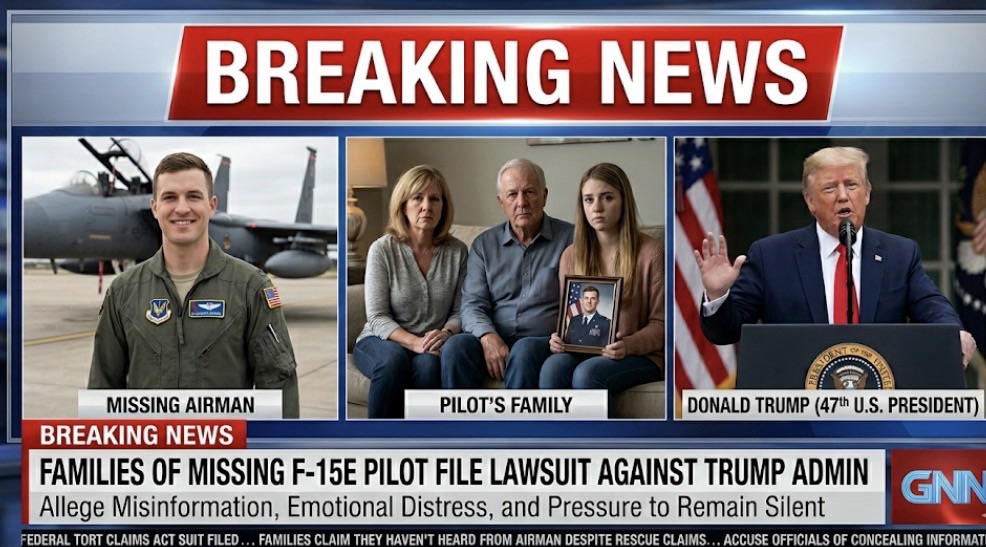
Families of Missing F-15E Pilot File Lawsuit Alleging Negligence, Misrepresentation, and Emotional Distress
Families of the missing f-15e crew member have filed a lawsuit against the U.S. government, alleging negligence, misrepresentation, and emotional distress following conflicting reports about the pilot’s fate after an incident in Iran.
The legal action, filed under the Federal Tort Claims Act (FTCA), claims that officials failed in their duty to provide accurate and timely information to the family, instead allowing what the lawsuit describes as “misleading public narratives” to circulate. The suit also raises concerns over statements attributed to Donald Trump suggesting that the airman had been rescued, despite the family saying they have received no direct confirmation or communication.
According to the filing, the families argue that they were left in a state of emotional distress as a result of inconsistent messaging and a lack of official transparency. They further allege that individuals identifying themselves as government officials contacted them not to provide updates, but to urge them to refrain from speaking to the press, a move the lawsuit characterizes as inappropriate and distressing.
The complaint includes claims of negligent infliction of emotional distress and negligent misrepresentation, asserting that the government had a responsibility to ensure that any information shared publicly or privately with next of kin was accurate and verified. The families are seeking damages and a formal acknowledgment of what they describe as a failure in communication protocols during a critical and sensitive situation.
Legal experts note that while the FTCA allows individuals to sue the federal government in certain circumstances, cases involving military operations and national security issues can face significant hurdles. The government may argue that the situation falls under exceptions related to combatant activities or invoke protections tied to classified information, which could limit how much of the case proceeds in court.
The lawsuit does not name Donald Trump personally as a defendant, but it repeatedly references statements attributed to him as a central point of confusion that contributed to the family’s distress. Instead, the case is directed at relevant federal agencies and officials responsible for communication and handling of the incident.
As the case moves forward, it is expected to draw attention to how information is managed and communicated to military families during high-risk operations. For the families involved, however, the legal action is not only about accountability, but also about obtaining clear answers regarding the fate of their loved one.
At the time of filing, officials have not publicly commented in detail on the lawsuit, and the status of the missing f-15e crew member remains unconfirmed.

Taylor Swift Links Up With Travis Kelce and Dakota Johnson After the 2026 VMAs as the Trio Pose Together Inside Taylor’s Private Jet Following Her Big Night

Travis Kelce Confirms VMAs Appearance to Support Wife Taylor Swift After Scoring Touchdown in Chiefs’ Miami Victory Over the Dolphins

The Swift-Kelce Family Is in Miami! Donna Kelce, Taylor Swift’s Mom Andrea and Brother Austin Arrive Ahead of Travis Kelce’s Chiefs Showdown Against the Dolphins

“Mr. Cleveland” Travis Kelce Touches Down in Miami With Patrick Mahomes and Chiefs Teammates Ahead of Sunday’s Dolphins Showdown

“Uncle Cleveland!” Jason and Kylie Kelce’s Daughters Wyatt and Elliotte React to Taylor Swift’s New Travis Kelce-Inspired Track as the Family Plays “Cleveland” Together

Taylor Swift and Travis Kelce’s Moms Andrea Swift and Donna Kelce Pose Alongside Caitlin Clark’s Grandfather, Father and Mother at Indiana Fever Game Against Minnesota Lynx.

Taylor Swift and Travis Kelce’s Moms Andrea Swift and Donna Kelce Make a Joint Appearance at Indiana Fever-Lynx Game as Caitlin Clark Greets Them Before the Match Begins

Taylor Swift Poses With Brittany Mahomes and Fellow Chiefs WAGs in Arrowhead Suite During Dramatic Game as Travis Kelce and Patrick Mahomes Help Kansas City Beat Colts 33-30

Taylor Swift Poses With Brittany Mahomes and Fellow Chiefs WAGs in Arrowhead Suite During Dramatic Game as Travis Kelce and Patrick Mahomes Help Kansas City Beat Colts 33-30

Taylor Swift Poses With Mother-in-Law Donna Kelce and Mom Andrea Swift at Arrowhead After Chiefs’ Dramatic Late Win Over Colts, Celebrating Travis Kelce’s Touchdown

Donna Kelce and Taylor Swift Share a Sweet Mother-in-Law Moment as they Spotted Deep in Conversation at Travis Kelce’s Newly Purchased Ohio Mansion as Family Dog Wendy Playfully Runs Around
