
NFL
China and Russia Send Warships to Hormuz Strait, Signaling Unified Opposition against Donald Trump and U.S. Blockade and Control of Strategic Waterway amid Tension With Iran

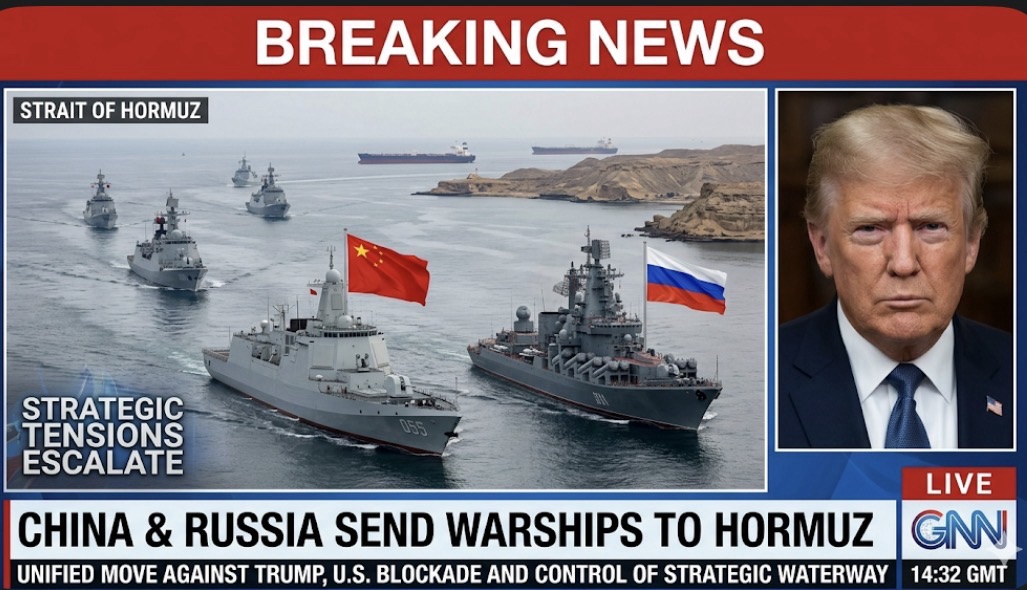
Russia and China Deploy Warships to Strait of Hormuz, Escalating Standoff With United States
April 13, 2026 — International Desk
Global tensions have intensified after Russia and China reportedly deployed warships to the Strait of Hormuz in a move widely seen as a direct challenge to the United States amid an ongoing maritime standoff.
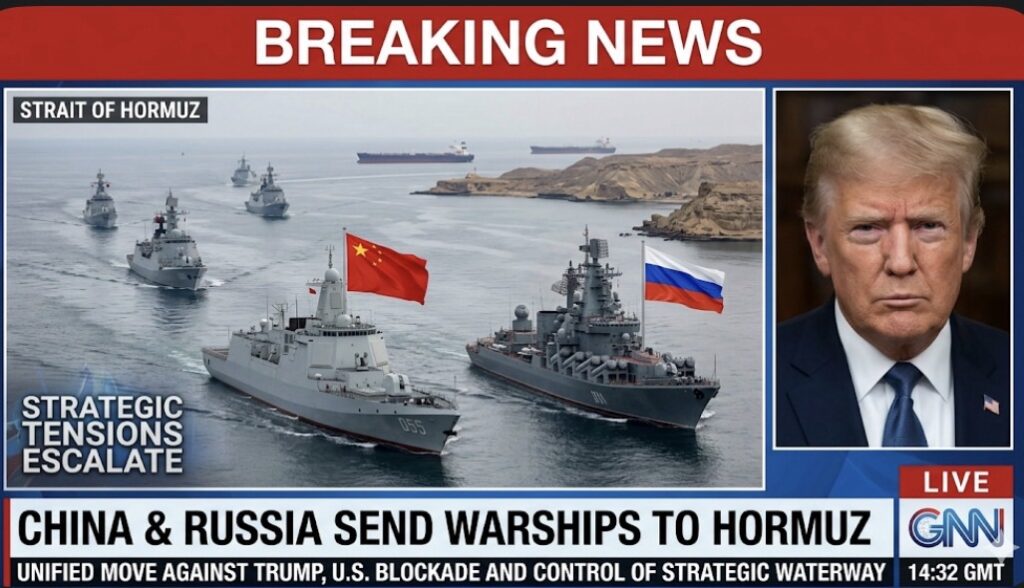
The deployment comes at a critical moment, as the Strait of Hormuz—one of the world’s most vital oil transit routes—faces heightened uncertainty following rising geopolitical tensions and competing military postures in the region.
Strategic Show of Force
Defense observers indicate that the arrival of Russian and Chinese naval vessels signals a significant escalation, marking a rare instance of coordinated military positioning by both powers in such a strategically sensitive waterway.
While officials from Moscow and Beijing have framed the deployment as part of efforts to “protect international shipping and ensure stability,” analysts note that the move effectively counters U.S. influence in the region and raises the risk of direct confrontation.
The United States has maintained a strong naval presence in the Gulf, and any increase in foreign military activity near its operational zones adds complexity to an already tense situation.
Rising Risk of Naval Confrontation
Military experts warn that the concentration of multiple naval forces within the narrow confines of the Strait of Hormuz increases the likelihood of miscalculation. Even minor incidents—such as close encounters between vessels—could quickly escalate into broader conflict.
The situation is further complicated by overlapping strategic interests, with each side seeking to assert control or maintain access to critical shipping lanes.
Global Reaction and Economic Impact
The developments have triggered concern among global leaders, with urgent discussions expected at the United Nations. Calls for restraint and diplomatic engagement are growing louder as fears mount over the potential for a wider regional crisis.
Energy markets have also reacted cautiously, with analysts warning that any sustained disruption in the Strait of Hormuz could significantly impact global oil supplies, drive up prices, and strain international trade systems.
A Critical Flashpoint
The Strait of Hormuz remains one of the most strategically important waterways in the world, handling a substantial share of global النفط shipments. Its narrow passage makes it particularly vulnerable to military tensions and blockades.
Historically, the region has been a flashpoint for conflict, and the latest deployment by Russia and China underscores how quickly the balance of power can shift.
Uncertain Path Ahead
As multiple global powers increase their military presence in the Gulf, the risk of escalation continues to grow. While diplomatic channels remain open, the current trajectory suggests a period of heightened uncertainty, with the potential for far-reaching geopolitical and economic consequences.
For now, the world watches closely as the situation unfolds in one of the most sensitive and strategically vital regions on the planet.

China and Russia Send Warships to Hormuz Strait, Signaling Unified Opposition against Donald Trump and U.S. Blockade and Control of Strategic Waterway amid Tension With Iran

Iran and Russia Announce Full-Scale Military Coalition to Confront Donald Trump’s Blockade of the Strait of Hormuz

The United Nations has declared that the blockade of the Strait of Hormuz ordered by Donald Trump is illegal under international law, citing the United Nations Convention on the Law of the Sea

Former United States President Barack Obama Passes Away

Donald Trump Orders Immediate Wave of New, More Intense ‘Limited’ Military Strikes on Iran as U.S. Forces Tighten Strategic Blockade of the Strait of Hormuz

Just after Donald Trump’s Truth Social post where he ordered the U.S. Navy to block the straight of Hormuz, the Iranian side released this cartoon video explaining what is about to happen NEXT

Donald Trump Issues Explosive Warning to Iran, Declaring “Any Attack on U.S. Forces or Peaceful Vessels Will Be Met With Total Destruction” as He Announces U.S. Navy Blockade of Strait of Hormuz

Iran Launches Coordinated Anti Ship Missile and Drone Assault on U.S. Navy Destroyer in Strait of Hormuz Causing Severe Damage to Warship After being spotted amid failed pease talk with Donald Trump

Donald Trump Issues Stark Warning to China Over Reported Arms Shipments to Iran: “If China does that, China is gonna have big problems”

United States Congress Officially Subpoenas Melania Trump Over Alleged Links in Jeffrey Epstein Case

Families of Missing F-15E Strike Eagle Pilot File Federal Tort Claims Act Lawsuit Against Donald Trump Administration, Alleging Misinformation and Emotional Distress Saying They Haven’t heard from Him Despite Claims of a Rescue and Accusing Officials of Pressuring Them to Remain Silent
