
NFL
Incarcerated President Nicolás Maduro Shares First Words Since Donald Trump Ordered U.S. Forces Attacked Venezuela and Transferred Him to Detention in a Brooklyn Jail

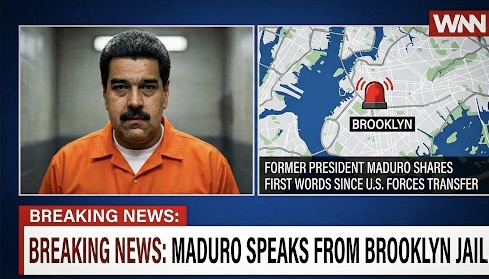
President Maduro Breaks Silence From U.S. Custody Following Venezuela Attack, Condemns Detention as “Illegal”
President Nicolás Maduro has released his first public statement since U.S. forces carried out a military operation in Venezuela and subsequently captured and transferred him to detention in Brooklyn, marking a dramatic escalation in the long-running standoff between Caracas and Washington.
Speaking through a written message conveyed by his legal team, Maduro condemned the U.S. action as an “act of aggression” and rejected the legitimacy of his arrest, insisting that he remains Venezuela’s lawful president. “I was forcibly removed from my country in violation of international law and the United Nations Charter,” the statement said. “No amount of detention can erase the sovereignty of the Venezuelan people.”
U.S. officials have defended the operation, arguing that Maduro faces longstanding criminal indictments and accusing his government of corruption, drug trafficking, and human rights abuses. The White House said the action was necessary to uphold international security and accountability, though critics argue the move bypassed Congress and violated both U.S. and international legal norms.
Maduro is reportedly being held at a federal detention facility in Brooklyn under heavy security. His legal representatives say he has not yet appeared in court and that they plan to challenge both his detention and the circumstances of his transfer to U.S. soil. “This is an unprecedented case involving a sitting foreign leader,” one member of his legal team said. “The legal implications are enormous.”
The reaction from the international community has been swift and divided. Several U.S. allies have called for restraint and urged clarification on the legal basis for the operation, while countries including Russia, China, and members of the Global South have condemned the move outright, describing it as a violation of Venezuelan sovereignty. Emergency diplomatic meetings have reportedly been convened at the United Nations to address the crisis.
Inside Venezuela, Maduro’s detention has triggered uncertainty and unrest. The government in Caracas has denounced the operation as a “kidnapping” and called for nationwide demonstrations, while opposition leaders remain split—some welcoming the development as long-overdue accountability, others warning that foreign military action risks destabilizing the country further.
In his statement, Maduro appealed directly to the international community. “I call on nations that respect law, sovereignty, and peace to speak out,” he said. “What has happened to Venezuela today could happen to any country tomorrow.”
As legal battles loom and diplomatic tensions intensify, Maduro’s first words from detention have added fuel to an already volatile situation, raising urgent questions about the limits of power, the rule of law, and the future of U.S.–Venezuela relations.

Taylor Swift Urges Immediate Impeachment of Donald Trump after Attacking Venezuela and ‘Kidnapping’ President Maduro, Demands Removal of Pete Hegseth for War Crimes and Kash Patel Over Epstein File Destruction, Warns Public of Alleged Plans Targeting Mexico, Greenland, and Cuba

Gavin Newsom Condemns Donald Trump Over Venezuela Operation, Says Trump Is the Last Person Fit to “Correct a Bad Act,” and Argues That Even Brutal Dictator Nicolás Maduro Would Be a Better President Than Trump in America

Kamala Harris Compares Donald Trump to Adolf Hitler and Vladimir Putin, Accuses Him of Committing War Crimes Over Venezuela Attack and Maduro Abduction, Stresses That While Maduro Is a Brutal Dictator, Trump’s Actions Were Unlawful and Diplomatic Options Were Ignored

Supreme Court Ruling Ignites Political Firestorm — House Democrats Rush to Draft Impeachment Articles as Senate Republicans Remain Deeply Divided over Donald Trump’s Venezuela Action and Abduction of President Maduro

“Either it hits me quick, or I gotta take some time” – Travis Kelce in the post-game interview of chiefs Vs Raiders game when asked about his decision whether or not he’ll play again next season with Taylor Swift patiently waiting for him at the back

Ed Kelce Spends Extended Heartwarming Time in Conversation With Taylor Swift and Her Parents (Scott and Andrea Swift) in the VIP Section at Allegiant Stadium While Supporting Travis Kelce During Chiefs–Raiders Showdown

Incarcerated President Nicolás Maduro Shares First Words Since Donald Trump Ordered U.S. Forces Attacked Venezuela and Transferred Him to Detention in a Brooklyn Jail

China’s President Xi Jinping Says the United States Must Face Serious Consequences for Violating International Law, Breaching the UN Charter, and Kidnapping Venezuela’s President Nicolas Maduro

Travis Kelce Makes a Grand Entrance at Allegiant Stadium for Chiefs’ Final Game Against Raiders, Arriving Alongside Taylor Swift in a Rare Public Appearance Together

World on Brink of War as Russia, China, and North Korea Issue Direct Military Threats to the United States Following Donald Trump’s Attack on Venezuela and Abduction of President Maduro, Calling for his Release, Sparking Global Condemnation and Fear of Escalation Into World War III

Russia, China, and North Korea Leaders Set to Hold Emergency Leaders’ Summit After Donald Trump Orders Military Action in Venezuela and Captures President Nicolás Maduro
