
NFL
Iran Calls Bluff on Donald Trump’s 48-Hour Deadline to Reopen the Strait of Hormuz, Warns Any Further Strike on Energy Infrastructure Will Trigger Severe Retaliation on America Soil

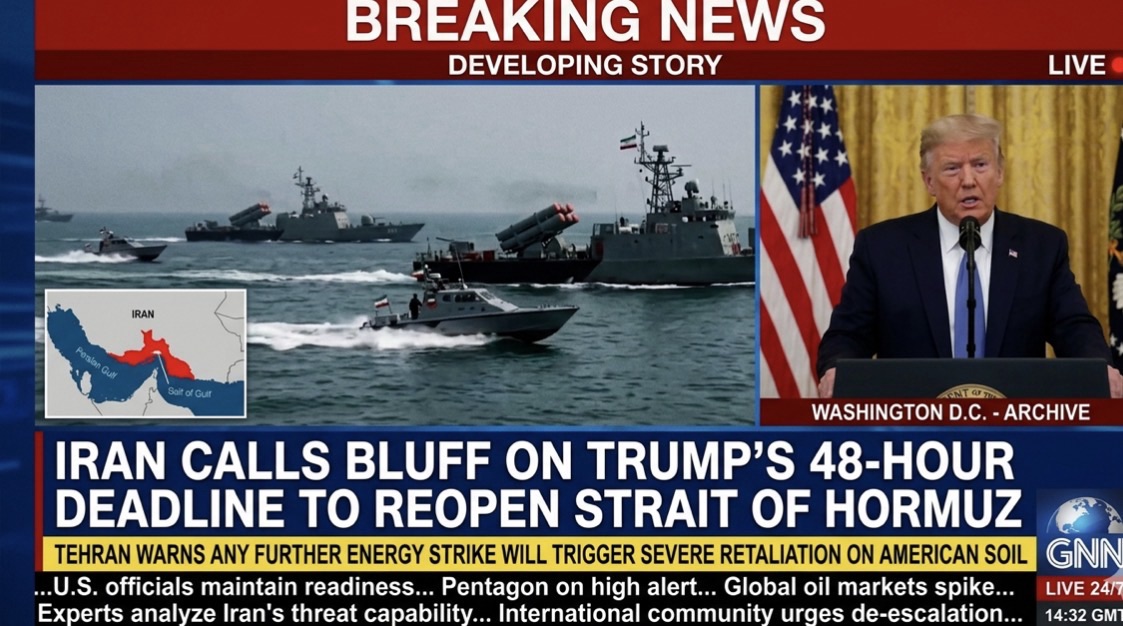
Iran Calls Bluff on Donald Trump Threat, Warns U.S. Will “Regret It in the Worst Possible Way”
Tensions between the United States and Iran have sharply escalated after Tehran dismissed a dramatic ultimatum issued by Donald Trump , warning that any American strike would trigger severe consequences across the region.
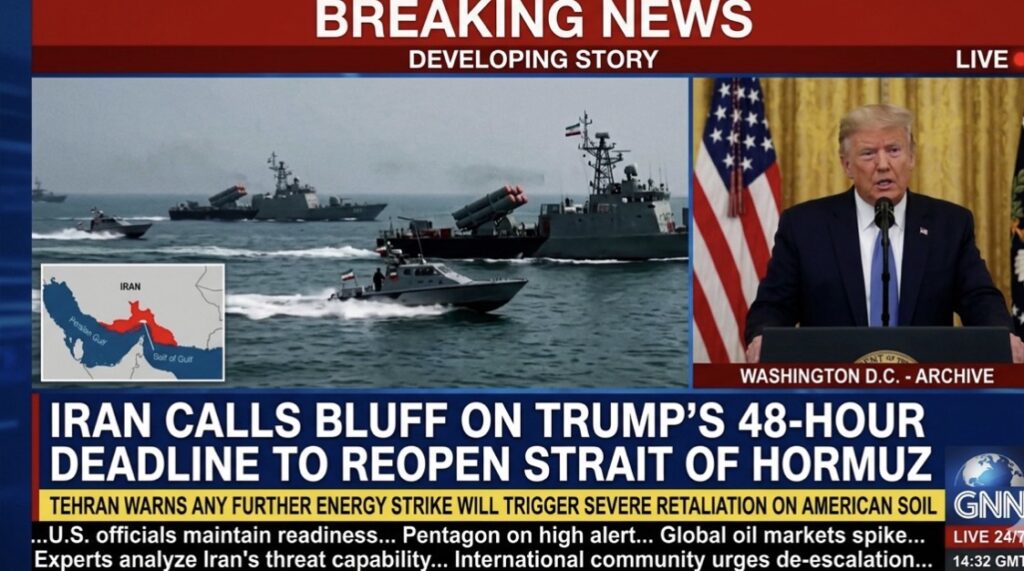
The warning from Washington came after Trump reportedly demanded that Iran fully reopen the strait of Hormuz within 48 hours, threatening to target the country’s major power infrastructure if the demand was not met. The Strait of Hormuz is one of the world’s most critical oil transit routes, making any disruption a major global concern.
In a swift and defiant response, Iranian officials rejected the ultimatum outright, calling it a “bluff” and accusing the United States of attempting to intimidate the country through threats of force. Tehran made it clear that it would not bow to pressure, instead signaling readiness to respond decisively if attacked.
“Iran will not negotiate under threats,” a senior official said, adding that any strike on its energy or civilian infrastructure would be met with retaliation “in the worst possible way.” While no specific targets were named, analysts say such language often implies potential attacks on U.S. military assets, allied bases, or critical infrastructure in the Middle East.
The exchange has intensified fears of a broader regional conflict, particularly as both sides adopt increasingly aggressive rhetoric. Military experts warn that targeting power plants could be seen as a major escalation, potentially violating international norms and inviting a large-scale response.
The situation is further complicated by the strategic importance of the Strait of Hormuz, through which a significant portion of the world’s oil supply passes. Any conflict in the area could disrupt global energy markets, sending oil prices soaring and impacting economies worldwide.
Despite the heated rhetoric, some observers believe both sides may still be attempting to avoid direct confrontation, using strong language as leverage rather than signaling immediate military action. However, with tensions rising and warnings growing more severe, the risk of miscalculation remains high.
As the 48-hour window referenced in Trump’s warning draws closer, the international community is watching closely, urging restraint and calling for diplomatic solutions to prevent a potentially devastating conflict.

Iran’s Islamic Revolutionary Guard Corps Issues Warning to the Donald Trump as Massive Marine Deployment Heads Toward the Middle East, Declaring “We Are Waiting for Them and a Lot of U.S. Marines Are Going to Die” Amid Rapidly Escalating Regional Tensions

Iran Calls Bluff on Donald Trump’s 48-Hour Deadline to Reopen the Strait of Hormuz, Warns Any Further Strike on Energy Infrastructure Will Trigger Severe Retaliation on America Soil

Benjamin Netanyahu Receives Approval to Use Nuclear Weapons from Donald Trump Against Iran to Completely Neutralize Threat and Restore Global Oil Flow Through Strait of Hormuz

U.S. Secretary of War Pete Hegseth Condemns Iran’s Cluster Missile Strikes on Israel as “WAR CRIMES,” Urges Donald Trump to Issue Immediate Military Orders to Halt Escalation

Donald Trump Announces U.S. Is now Prepared to Enter Nuclear Negotiations With Iran Amid Rapidly Escalating War, Says “If There’s Anybody Willing to Talk, We’re Ready”

U.S. Treasury reveals the Shocking cost of the Iran war, how the Taxpayers Funds are being spent on the war and how it could influence the outcome of the conflict after U.S-Israel conflict with Iran led by Donald Trump and Benjamin Netanyahu Escalates

U.S. Supreme Court Blocks Donald Trump’s move to Launch Nuclear Strike on Iran, Issues Emergency Injunction Just Hours After He Vowed “Definitive Nuclear Response” Following Historic Destruction of U.S. Aircraft Carrier by Iran

Donald Trump Vows to Immediately Move ICE Agents to Every U.S. Airport for Security Like No One Has Ever Seen Before, Promising Immediate Arrest of All Illegal Immigrants IF Democrats don’t Sign Agreement to Make U.S. Airports Free and Safe by Reopening TSA

Donald Trump Reveals Pentagon Considering Major Troop Surge to Middle East, Signals Possible Nuclear Response if War Escalates Further

Donna Kelce Marries Boyfriend Adam Scott in Elegant wedding Ceremony as Sons Travis Kelce and Jason Kelce Share Emotional Family Moment, Ex Husband Ed Kelce and Taylor Swift absent

International Criminal Court Issue Arrest Warrants for Donald Trump, Benjamin Netanyahu, and Pete Hegseth Following Their Failure to Respond to Multiple Summonses on War Crime Allegations, Possible Genocide and Crime against Humanity Linked to the Escalating Iran Conflict
