
NFL
U.S. Treasury reveals the Shocking cost of the Iran war, how the Taxpayers Funds are being spent on the war and how it could influence the outcome of the conflict after U.S-Israel conflict with Iran led by Donald Trump and Benjamin Netanyahu Escalates

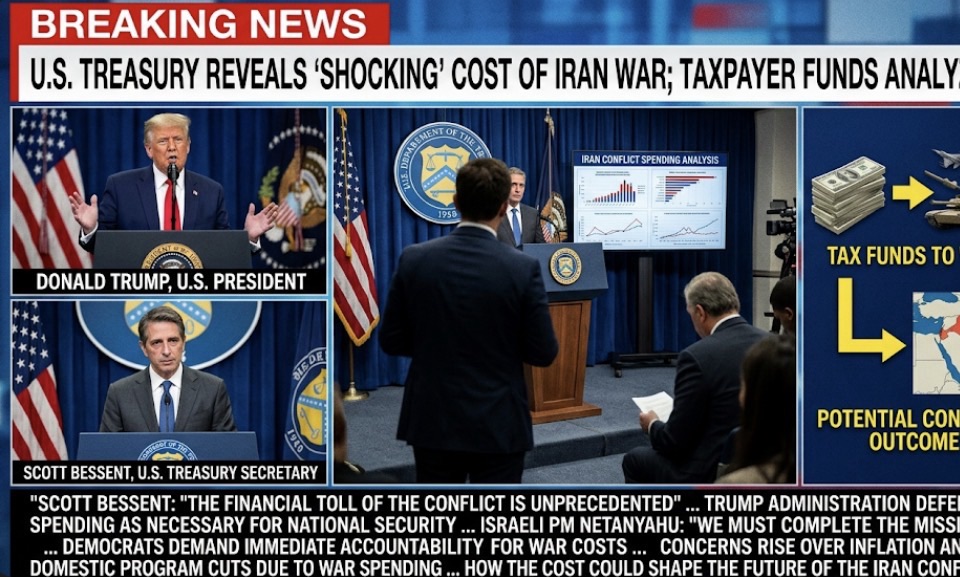
U.S. Treasury Reveals Iran War Costs Rising Toward $100 Billion, Raising Questions Over Long-Term Strategy
Washington, D.C. — New financial disclosures attributed to the U.S. Treasury have revealed that the cost of the ongoing Iran war has surged to nearly $100 billion, sparking fresh debate over the economic sustainability and strategic direction of the conflict.
According to the latest breakdown, the spending includes a combination of military operations, intelligence activities, logistical support, overseas deployments, and emergency defense mobilization. Officials familiar with the figures say the total cost has risen far faster than initial projections, driven by sustained operations and expanding regional commitments.
While the Treasury has not released a full public audit, early estimates suggest the war effort is placing increasing pressure on federal spending priorities. Defense-related expenditures account for the largest portion of the total, with additional billions allocated to naval deployments, air operations, and allied support packages across the region.
Analysts say the approaching $100 billion threshold marks a significant psychological and political milestone. At this level of spending, the financial burden could begin to influence broader policy decisions, including the scale and duration of continued military engagement.
Economists also warn that prolonged spending at this rate could contribute to wider fiscal strain, potentially impacting domestic programs and increasing pressure on lawmakers to reassess war funding allocations.
Military experts, however, argue that cost alone may not determine strategy. They note that operational objectives, regional stability concerns, and geopolitical considerations will likely continue to drive decision-making, even as expenses rise.
The Treasury’s reported figures come amid growing scrutiny from oversight committees and public debate over transparency in wartime budgeting. Calls for a more detailed accounting of war-related expenditures are expected to intensify in the coming weeks.
As the conflict continues, the question remains whether rising costs approaching $100 billion will alter the course of the war—or whether strategic priorities will outweigh financial pressure in shaping its outcome.

Iran’s Islamic Revolutionary Guard Corps Issues Warning to the Donald Trump as Massive Marine Deployment Heads Toward the Middle East, Declaring “We Are Waiting for Them and a Lot of U.S. Marines Are Going to Die” Amid Rapidly Escalating Regional Tensions

Iran Calls Bluff on Donald Trump’s 48-Hour Deadline to Reopen the Strait of Hormuz, Warns Any Further Strike on Energy Infrastructure Will Trigger Severe Retaliation on America Soil

Benjamin Netanyahu Receives Approval to Use Nuclear Weapons from Donald Trump Against Iran to Completely Neutralize Threat and Restore Global Oil Flow Through Strait of Hormuz

U.S. Secretary of War Pete Hegseth Condemns Iran’s Cluster Missile Strikes on Israel as “WAR CRIMES,” Urges Donald Trump to Issue Immediate Military Orders to Halt Escalation

Donald Trump Announces U.S. Is now Prepared to Enter Nuclear Negotiations With Iran Amid Rapidly Escalating War, Says “If There’s Anybody Willing to Talk, We’re Ready”

U.S. Treasury reveals the Shocking cost of the Iran war, how the Taxpayers Funds are being spent on the war and how it could influence the outcome of the conflict after U.S-Israel conflict with Iran led by Donald Trump and Benjamin Netanyahu Escalates

U.S. Supreme Court Blocks Donald Trump’s move to Launch Nuclear Strike on Iran, Issues Emergency Injunction Just Hours After He Vowed “Definitive Nuclear Response” Following Historic Destruction of U.S. Aircraft Carrier by Iran

Donald Trump Vows to Immediately Move ICE Agents to Every U.S. Airport for Security Like No One Has Ever Seen Before, Promising Immediate Arrest of All Illegal Immigrants IF Democrats don’t Sign Agreement to Make U.S. Airports Free and Safe by Reopening TSA

Donald Trump Reveals Pentagon Considering Major Troop Surge to Middle East, Signals Possible Nuclear Response if War Escalates Further

Donna Kelce Marries Boyfriend Adam Scott in Elegant wedding Ceremony as Sons Travis Kelce and Jason Kelce Share Emotional Family Moment, Ex Husband Ed Kelce and Taylor Swift absent

International Criminal Court Issue Arrest Warrants for Donald Trump, Benjamin Netanyahu, and Pete Hegseth Following Their Failure to Respond to Multiple Summonses on War Crime Allegations, Possible Genocide and Crime against Humanity Linked to the Escalating Iran Conflict
