
NFL
Director of National Intelligence Tulsi Gabbard Set to be Grilled by Senate Intelligence Committee on U.S. Handling of Iran War and Intelligence Failures Behind Deadly Airstrike Ordered by Donald Trump That Destroyed Girls’ School in Minab, Killing Over 100 Children

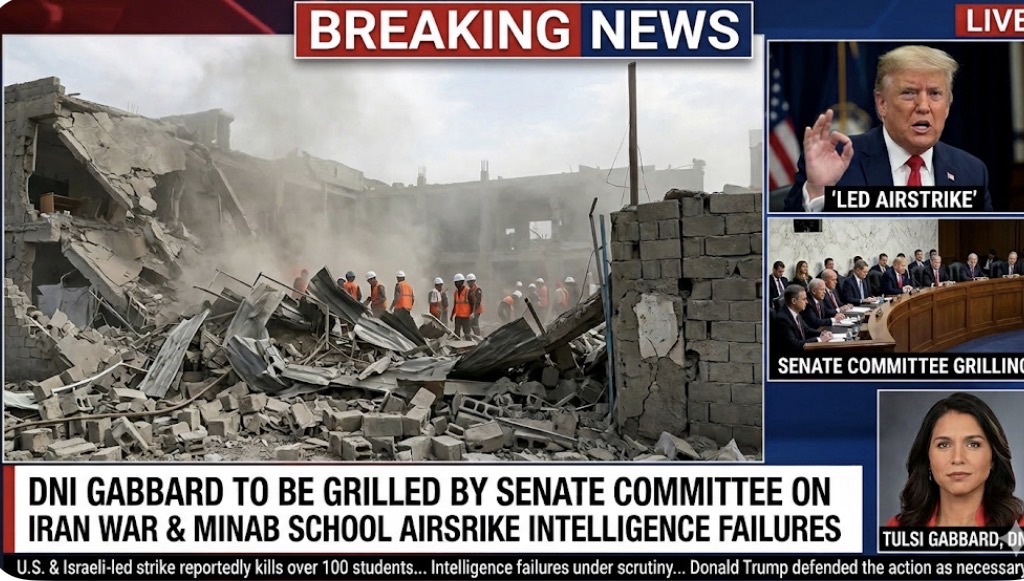
Director of National Intelligence Tulsi Gabbard Grilled by Senate Over Iran War Intelligence Failures and Deadly Minab School Strike
Washington, D.C. — Tulsi Gabbard faced intense bipartisan scrutiny before the United Senate States on Tuesday, as lawmakers demanded answers over the United States’ handling of the escalating Iran war and mounting evidence of catastrophic intelligence failures tied to a deadly airstrike in southern Iran.
The high-stakes hearing comes amid growing political backlash and internal dissent within the U.S. government over the war, which began in late February 2026 and has already claimed thousands of lives.
Mounting Pressure Over Intelligence Gaps
Senators pressed Gabbard on whether U.S. intelligence agencies had overstated the threat posed by Iran, particularly claims that Tehran posed an “imminent danger” prior to the launch of military operations.
The questioning follows the resignation of a top U.S. counterterrorism official who publicly rejected the administration’s justification for the war, stating that Iran posed no immediate threat—an assessment echoed by several lawmakers during the hearing.
Gabbard, while defending the administration’s authority to act on perceived threats, stopped short of fully endorsing the intelligence used to justify the strikes, further fueling concerns among senators about possible politicization or misinterpretation of intelligence.
Deadly Minab School Strike at Center of Inquiry
At the heart of the hearing was the February 28 airstrike on a girls’ school in Minab—now considered one of the deadliest civilian incidents of the conflict.
According to multiple investigations, the strike killed more than 100 children, with some estimates placing the death toll significantly higher.
Lawmakers confronted Gabbard over reports that outdated and faulty targeting intelligence may have led U.S. forces to mistakenly identify the school as a military target. Preliminary findings suggest the facility had long been repurposed as a civilian school, despite being previously linked to a nearby military compound.
The Pentagon has since launched a high-level investigation into the incident, acknowledging the possibility of serious errors in intelligence gathering and target verification.
Bipartisan Outrage and Calls for Accountability
Members of both parties expressed outrage over the civilian casualties, with some describing the strike as a potential violation of international law.
Several senators demanded to know:
How outdated intelligence was used in active targeting decisions Whether proper safeguards to prevent civilian casualties were ignored And who within the intelligence chain bears responsibility
The incident has intensified calls for transparency, with lawmakers warning that failure to address these questions could undermine U.S. credibility globally and deepen domestic opposition to the war.
Broader Crisis for U.S. Intelligence Leadership
The hearing underscores a broader crisis facing the U.S. intelligence community, as officials grapple with internal divisions, public skepticism, and the consequences of wartime decision-making.
For Gabbard, once known for her anti-war stance, the testimony marks a defining moment in her tenure as Director of National Intelligence—balancing loyalty to the administration with growing demands for accountability over one of the war’s most devastating tragedies.
As investigations continue, the Minab strike and the intelligence failures behind it are likely to remain a focal point in both congressional oversight and the wider debate over the U.S. role in the Iran conflict.

Congress Intelligence Committee Launches Sweeping Investigation Into Donald Trump Over Alleged War Crimes, Possible Crimes Against Humanity After Intelligence Failures Following Deadly Iran Airstrike That Destroyed Girls’ School in Minab Killing 100

Director of National Intelligence Tulsi Gabbard Set to be Grilled by Senate Intelligence Committee on U.S. Handling of Iran War and Intelligence Failures Behind Deadly Airstrike Ordered by Donald Trump That Destroyed Girls’ School in Minab, Killing Over 100 Children

Donald Trump Administration Weighs Pullback from Israel-Iran War After Escalation, Rising Casualties, Closure of Hormuz Strait and Mounting Global Pressure

China Signals Possible Expulsion of U.S. and Israeli Ambassadors After High-Stakes Talks With Iran on Reopening the Strait of Hormuz Amid Escalating Middle East Conflict as Donald Trump and Benjamin Netanyahu Faces Mounting Pressure

Donald Trump Signals Concern Over Iran’s SHOCKING Strength, Appeals for International Support as Allies Refuse Military Involvement and U.S Troops keeps refusing Orders

NATO Allies Call Emergency Summit to Debate Sanctions and Removal Against the United States and Donald Trump Amid Escalating Tensions on the Strait of Hormuz with Iran, Controversial Remarks, Disrespect Toward Allies and Alleged Violations of Alliance Principles

A Group of U.S. Senators Ignite Crisis as They Call for 25th Amendment to the United States Constitution to Remove Donald Trump, Declaring Him “Unfit” Amid Iran War, Chaos, and National Security Fears

Taylor Swift and Travis Kelce Enjoy a Romantic Sunset Yacht Getaway With Patrick Mahomes and Brittany Mahomes as the Couples Relax With Drinks and Laughter at Sea after attending Beyoncé and Madonna Oscar after party

Democrats Expected to Take Control of Both the U.S. Senate and House of Representatives, Plan to Move to Impeach and Remove Donald Trump From the Presidency

Global Oil Markets Face Potential Shake-Up as Iran Reportedly Considers Trading Strait of Hormuz Oil Shipments in Chinese Yuan Instead of U.S. Dollar amid Escalating Tensions in Middle East Lead by Donald Trump and Benjamin Netanyahu

Taylor Swift and Travis Kelce Dazzle at 2026 Oscars After-Party as the Power Couple arrives in style
