
NFL
Donald Trump Administration Weighs Pullback from Israel-Iran War After Escalation, Rising Casualties, Closure of Hormuz Strait and Mounting Global Pressure

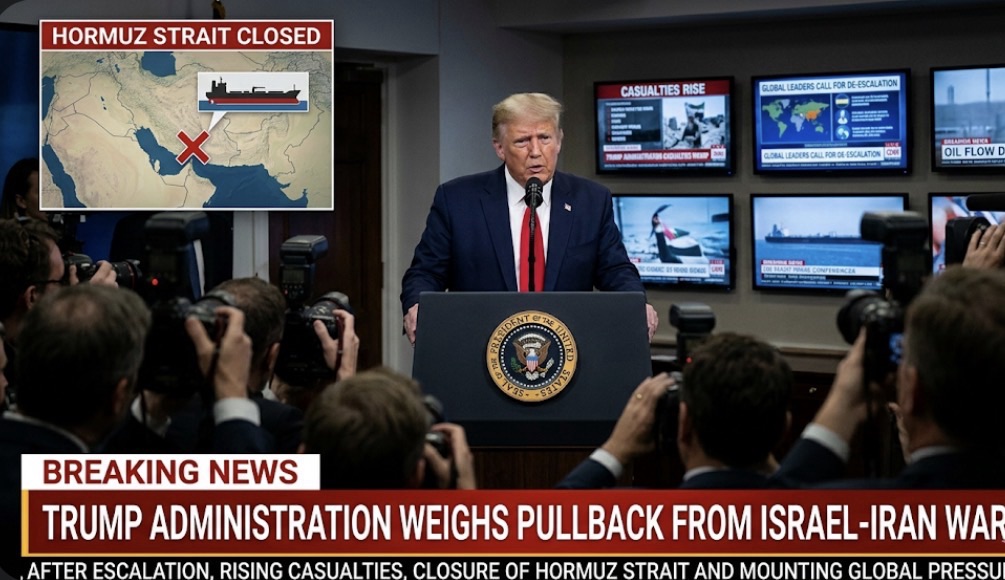
The United States is signaling a possible shift in its role in the escalating conflict involving Iran, as officials in Washington increasingly acknowledge that the situation has gone far beyond initial expectations. What began as a coordinated military effort alongside Israel is now evolving into a far more complex and volatile confrontation, raising concerns both domestically and internationally.
The crisis intensified after U.S. President Donald Trump authorized strikes targeting Iranian positions, actions that were strongly supported by Israeli Prime Minister Benjamin Netanyahu. While the initial objective was to weaken Iran’s military capabilities and deter further aggression, the aftermath has instead triggered a broader escalation, with retaliatory threats and rising instability across the Middle East.
According to senior U.S. officials, the scale and speed of the conflict’s expansion have forced a reassessment of America’s strategic goals. What was expected to be a limited engagement has now developed into a prolonged and unpredictable situation, with fears growing over the potential for a wider regional war involving multiple actors.
Inside Washington, debates are intensifying over the risks of continued involvement. Lawmakers from both sides of the political spectrum are reportedly questioning the long-term implications of the military campaign, citing concerns over troop safety, economic strain, and the possibility of deeper entanglement in the region. Public opinion is also becoming increasingly divided, with growing calls for restraint and a clearer path forward.
Military analysts warn that the conflict’s trajectory could further destabilize global energy markets and disrupt key shipping routes, particularly around strategic waterways in the Middle East. This has added another layer of urgency to discussions within the U.S. administration, as officials weigh the broader economic and geopolitical consequences of staying engaged.
Meanwhile, international reactions have been swift. Several global powers have urged de-escalation, warning that continued hostilities could have far-reaching consequences beyond the region. Diplomatic channels are reportedly being explored, though prospects for immediate resolution remain uncertain given the current tensions.
As a result, the United States is now considering options that could include scaling back its military role or pursuing a gradual withdrawal from direct involvement in the conflict. While no final decision has been publicly confirmed, the shift in tone from U.S. leadership suggests a growing recognition that the situation may no longer be aligned with its original objectives.
For now, the world watches closely as Washington navigates a critical moment in its foreign policy. Whether the U.S. ultimately chooses to disengage or remain involved, the outcome will likely shape the future of the Middle East and redefine America’s role on the global stage.

Donald Trump Administration Weighs Pullback from Israel-Iran War After Escalation, Rising Casualties, Closure of Hormuz Strait and Mounting Global Pressure

China Signals Possible Expulsion of U.S. and Israeli Ambassadors After High-Stakes Talks With Iran on Reopening the Strait of Hormuz Amid Escalating Middle East Conflict as Donald Trump and Benjamin Netanyahu Faces Mounting Pressure

Donald Trump Signals Concern Over Iran’s SHOCKING Strength, Appeals for International Support as Allies Refuse Military Involvement and U.S Troops keeps refusing Orders

NATO Allies Call Emergency Summit to Debate Sanctions and Removal Against the United States and Donald Trump Amid Escalating Tensions on the Strait of Hormuz with Iran, Controversial Remarks, Disrespect Toward Allies and Alleged Violations of Alliance Principles

A Group of U.S. Senators Ignite Crisis as They Call for 25th Amendment to the United States Constitution to Remove Donald Trump, Declaring Him “Unfit” Amid Iran War, Chaos, and National Security Fears

Taylor Swift and Travis Kelce Enjoy a Romantic Sunset Yacht Getaway With Patrick Mahomes and Brittany Mahomes as the Couples Relax With Drinks and Laughter at Sea after attending Beyoncé and Madonna Oscar after party

Democrats Expected to Take Control of Both the U.S. Senate and House of Representatives, Plan to Move to Impeach and Remove Donald Trump From the Presidency

Global Oil Markets Face Potential Shake-Up as Iran Reportedly Considers Trading Strait of Hormuz Oil Shipments in Chinese Yuan Instead of U.S. Dollar amid Escalating Tensions in Middle East Lead by Donald Trump and Benjamin Netanyahu

Taylor Swift and Travis Kelce Dazzle at 2026 Oscars After-Party as the Power Couple arrives in style

Growing Military Revolt? Donald Trump Threatens Treason Charges After Reports of Widespread Refusal by U.S. Troops to Carry Out Iran-Related Orders

NATO Secretary-General Mark Rutte announced NATO Rejects Donald Trump’s Demand to Deploy Alliance Warships Against Iran, Declining U.S. Request to Militarily Reopen the Strait of Hormuz Amid Rising Global Tensions
