
NFL
Donald Trump Raises Global Alarm With Nuclear Threat Warning Toward Iran as Intelligence Reports Confirm Tehran Maintains Significant Operational Missile Capabilities Despite U.S-Israel Sustained Bombardment

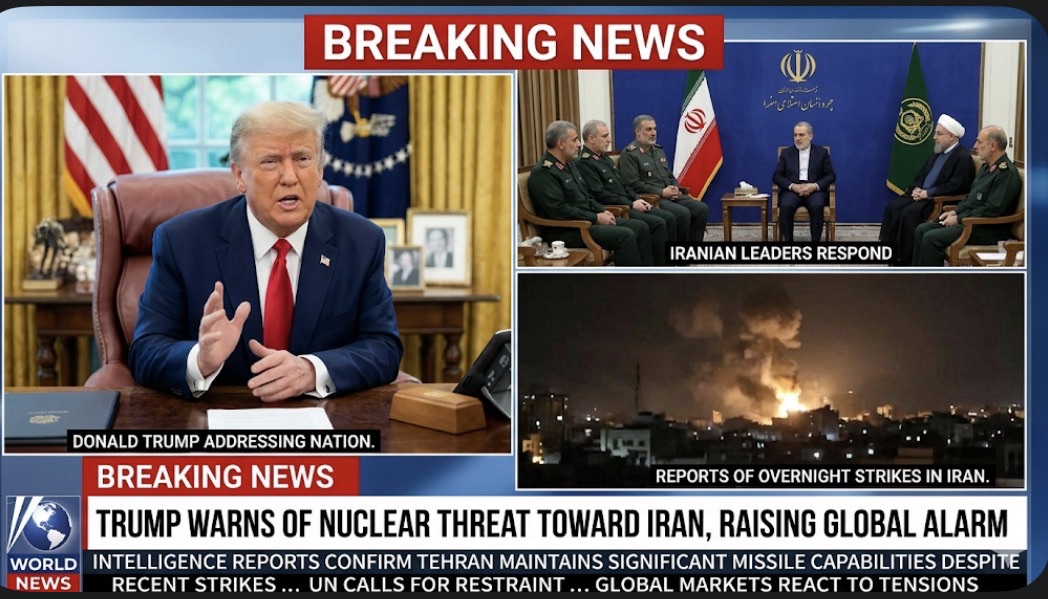
donald Trump Escalates Iran War Rhetoric With Nuclear Warning as Intelligence Reveals Resilient Missile Arsenal
Tensions surrounding the ongoing conflict between the United States and Iran intensified sharply this week after President Donald Trump issued one of his most forceful warnings yet, raising the prospect of extreme military measures—including nuclear options—if hostilities continue to escalate.
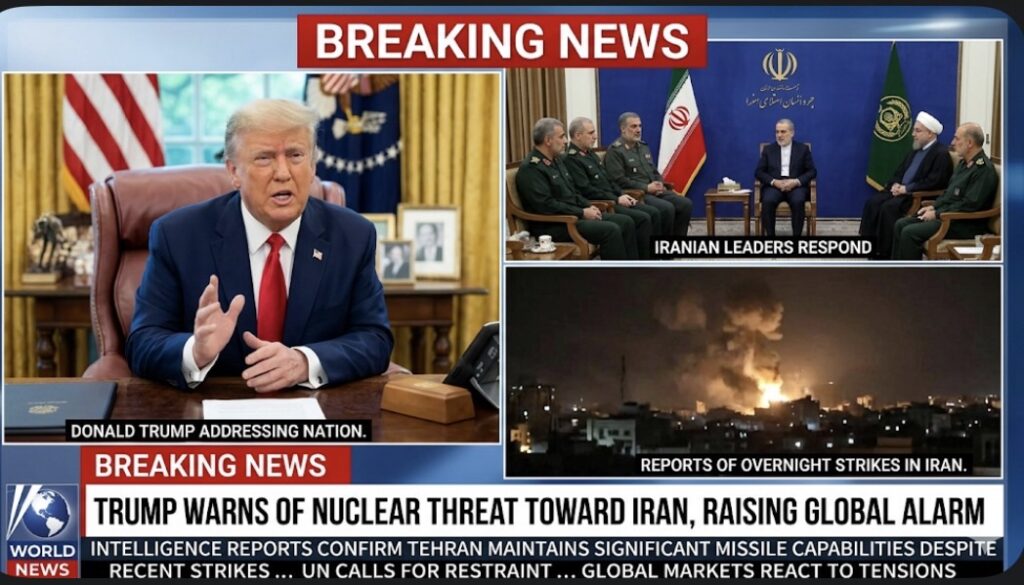
Speaking amid continued joint U.S.–Israeli operations, Trump signaled that Washington is prepared to take “decisive and overwhelming action” should Tehran refuse to halt its military posture. While he stopped short of outlining specific plans, his rhetoric marked a significant escalation, introducing language that has heightened concern among global leaders and defense analysts.
The remarks come at a time when newly surfaced intelligence assessments appear to challenge earlier claims about the effectiveness of weeks of sustained airstrikes. According to defense officials familiar with the reports, Tehran still retains a substantial portion of its missile arsenal, including medium- and long-range systems capable of targeting both regional and international adversaries.
Intelligence Undercuts Claims of Strategic Collapse
Initial statements from U.S. and allied officials had suggested that Iran’s military infrastructure—particularly its missile capabilities—had been severely degraded. However, updated intelligence indicates that while key facilities have been damaged, a significant number of mobile launch systems and underground stockpiles remain intact.
Analysts say this resilience reflects years of strategic planning by Iran, which has invested heavily in dispersing and hardening its missile program against exactly this type of sustained assault. The result is a battlefield reality far more complex than early narratives suggested.
“The assumption that Iran’s missile threat could be neutralized quickly has proven overly optimistic,” one defense analyst noted. “They’ve built redundancy into their system, and it’s now showing.”
Rising Global Concern Over Nuclear Rhetoric
Trump’s decision to introduce nuclear language into the conflict has triggered alarm among international observers, many of whom fear the war could spiral beyond conventional limits. While there has been no official confirmation of a shift in U.S. nuclear posture, even the suggestion of such an option has raised the stakes dramatically.
Leaders across Europe and Asia have urged restraint, warning that further escalation could destabilize the broader Middle East and disrupt critical global trade routes, particularly around the Strait of Hormuz.
Diplomatic efforts to de-escalate the situation appear increasingly strained, with backchannel negotiations reportedly stalled and both sides signaling readiness for a prolonged confrontation.
A Conflict Far From Over
Despite weeks of relentless strikes, the emerging intelligence picture suggests that the conflict is entering a new and potentially more dangerous phase. Iran’s ability to retain a functioning missile capability not only complicates military planning but also strengthens its leverage in any future negotiations.
For the Trump administration, the challenge now lies in balancing its hardline stance with the growing risks of escalation. For the international community, the priority remains preventing the conflict from crossing a threshold that could have far-reaching and irreversible consequences.
As rhetoric intensifies and the battlefield reality grows more uncertain, one thing is becoming increasingly clear: this conflict is far from resolved—and may be approaching its most critical turning point yet.

Second US Rescue Jet Shot Down Over Iranian Badlands – 3 American Heroes Confirmed Killed, 2 Injured as search for attacked F-15E continues with Donald trump being briefed

Tragedy After Heroic Rescue: Second Downed F-15E Pilot Identified as Newlywed Captain Ethan Walker, Killed Just Weeks After Wedding as Donald Trump Briefed on Loss after Iran Shot down two F-15E

Heartbreaking Update from the Frontlines: U.S. Special Operations Forces Successfully Extract One Downed F-15E Pilot in Daring Rescue Mission Near Kharg Island, But Pentagon Confirms the Second Aviator Has Been Declared Dead Amid Intense Search Efforts in Southwestern Iran as Donald Trump was briefed

Supreme Court Issues Emergency Immediate Injunctions to Halt Pentagon Restructuring Efforts Following Actions by Pete Hegseth firing Top Generals Who Allegedly Defied Orders Tied to Donald Trump’s Iran Strategy Amid Ongoing Operations

Donald Trump Raises Global Alarm With Nuclear Threat Warning Toward Iran as Intelligence Reports Confirm Tehran Maintains Significant Operational Missile Capabilities Despite U.S-Israel Sustained Bombardment

The Supreme Court of the United States to review the legality of sweeping wartime firings of Top Commanders and Generals carried out by Pete Hegseth due to their of following Donald Trump’s ‘Horror’ Orders on Iran

Pete Hegseth fires more than a dozen senior military leaders, including top commanders from the Navy and Air Force, in the middle of an escalating Iran war, after they refused to carry out Special Attack orders on Iran

Donald Trump and Pam Bondi: Inside their dramatic fallout linked with Jeffery Epstein and What Really Happened Behind the Attorney General’s Ouster

Pam Bondi Moves to Release Controversial Jeffrey Epstein Files Leaked by Iranian Hackers but Previously Blocked from circulating Online After Donald Trump Declares Her “Time Is Up, Stating that the attorney general will be removed due to an ongoing rift between them

Donald Trump Orders Immediate Withdrawal of the United States from NATO and the United Nations Following Claims of Insufficient Allied Support During Iran Conflict and Tensions Over the Reopening of the Strait of Hormuz

Donald Trump Calls for Impeachment of Ketanji Brown Jackson After Heated Supreme Court Session Sparks Controversy Over “Bizarre Tangent” Remark
