
NFL
Iran Signals It Is Preparing to Lay Naval Mines in the Strait of Hormuz Following a new Messages from Donald Trump

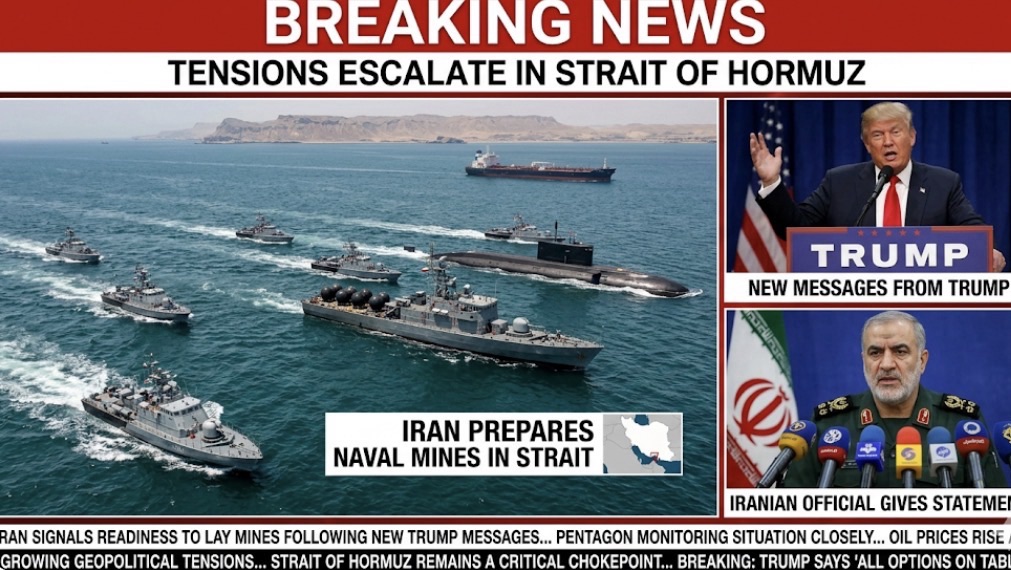
Iran Signals Possible Naval Mine Deployment in Hormuz as Trump Rhetoric Escalates
Tensions in the Middle East have sharply intensified after Iran signaled it could move toward laying naval mines in the strategic Strait of Hormuz, following a new round of forceful messaging from Donald Trump.
Iranian officials have not confirmed a formal order, but statements from senior military figures suggest that “all options remain on the table” if what they describe as external threats continue to escalate. Analysts say such language is often used by Tehran to signal deterrence without committing to immediate action.
The Strait of Hormuz, a narrow waterway linking the Persian Gulf to global shipping routes, is one of the world’s most critical energy corridors. A significant portion of global oil exports passes through the strait each day, making any disruption a matter of international concern. Even the possibility of mining operations has already triggered anxiety in global energy markets, with traders closely watching developments for signs of further escalation.
The latest tensions follow a message from Trump that was widely interpreted as a warning to Iran over its regional activities. While the exact content and intent of the message remain subject to interpretation, it has fueled a new round of rhetoric between Tehran and Washington. Iranian officials have responded by emphasizing their capacity to defend national interests, including the potential use of naval tactics in the Gulf.
Military experts note that Iran has long maintained the capability to deploy naval mines using a combination of small vessels and submarines. Such a move, however, would likely provoke a swift response from the United States and its allies, who maintain a significant naval presence in the region precisely to ensure freedom of navigation.
A mining operation in the Strait of Hormuz would carry far-reaching consequences. Beyond the immediate security risks, it could severely disrupt global oil supplies, drive up energy prices, and increase the likelihood of a broader military confrontation. Previous incidents in the region have shown how quickly tensions can spiral when key shipping lanes are threatened.
International observers are urging restraint on all sides. Diplomatic channels remain open, but the tone of recent exchanges has raised concerns that miscalculation could lead to unintended conflict. For now, the situation remains fluid, with much depending on whether rhetoric translates into action.
As the standoff unfolds, governments, markets, and security analysts worldwide are bracing for what could become one of the most significant flashpoints in recent years.

Donald Trump Condemns Putin and Demands War Crimes Charges Following Large-Scale Russian Air Assault That Left Ukrainian Civilians Dead Overnight amid ongoing war in Iran

Iran Signals It Is Preparing to Lay Naval Mines in the Strait of Hormuz Following a new Messages from Donald Trump

Supreme Court of the United States Orders Immediate Withdrawal of ICE Agents From Airport Security Operations After Donald Trump Deploy ICE to Aid TSA Staffs Amid Ongoing DHS Funding Crisis

Taylor Swift Poses with Travis Kelce alongside Donna Kelce as Chiefs Star Signs On for 14th Season

NATO Forces Seize and Impound U.S. Aircraft Carrier The USS Gerald R. Ford Upon Returning From Iran to Souda Bay in Crete, Securing All Aircraft, Personnel, Ordnance, Fuel, and Defense Systems Following ICC Arrest Warrant For Donald Trump and Escalating Tension with NATO allies

Gavin Newsom Slam Donald Trump, Saying He Is “Making a Fool and Mockery of Himself” After Abruptly Pausing U.S. Military Strikes on Iran Just Hours After Issuing a 48-Hour Ultimatum to Reopen the Strait of Hormuz

Kremlin Claims Donald Trump Administration Contacted Vladimir Putin Offering Russia a 20% Oil Deal in Exchange for Support in U.S.-Israel War Against Iran and Help Reopening the Strait of Hormuz

Iran Denies Holding Any Talks With Donald Trump or his Administration, Rejects Proposed Ceasefire, States Attack will keep going Despite Trump Ordering Five-Day Pause on U.S. Military Strikes against Iran’s Power Plant and Energy infrastructure Following Claimed ‘Productive’ Discussions

President Donald Trump Orders Five-Day Pause on All U.S. Military Strikes Against Iranian Power Plants and Energy Infrastructure Following ‘Very Good and Productive’ Bilateral Conversations Aimed at Resolving Middle East Hostilities

Supreme Court of the United States Blocks Donald Trump Plan to Replace TSA Officers with ICE Agents at Airports

Taylor Swift and Travis Kelce Spotted Enjoying Romantic Weekend at 1587 Prime, Co-Owned by Travis and Patrick Mahomes ahead of their upcoming wedding
