
NFL
Multiple U.S. Troops Enforcing Donald Trump’s Hormuz Naval Blockade Report Hantavirus Cases and Poor Conditions Amid Escalating Iran Crisis

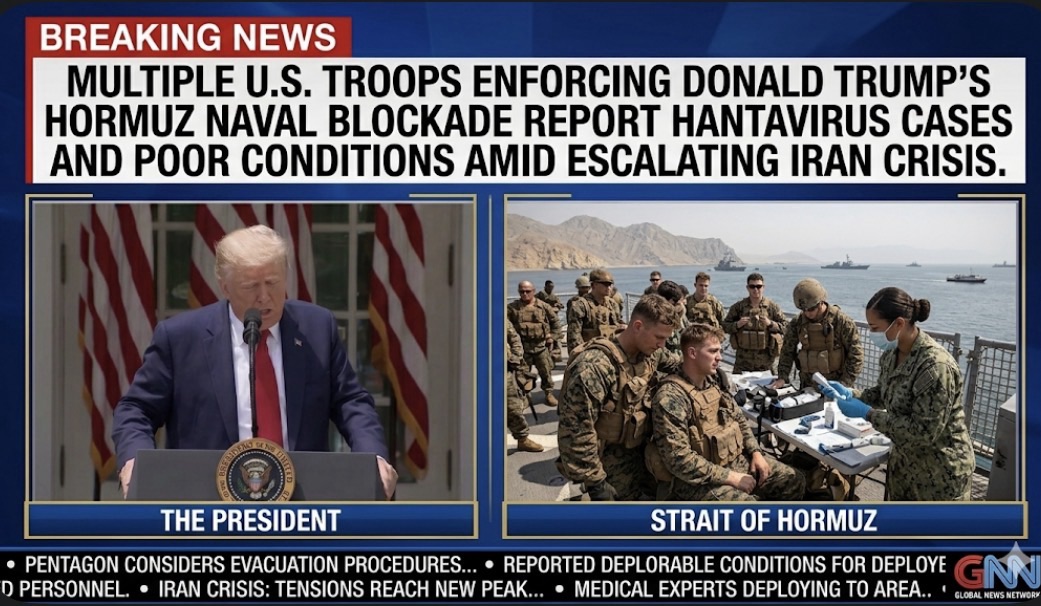
Reports of Illness and Poor Conditions Surface Among U.S. Troops Enforcing Hormuz Strait Blockade
Concerns are reportedly growing among American military personnel deployed to enforce the United States naval blockade in the Strait of Hormuz, as multiple service members have allegedly fallen ill with suspected hantavirus infections while stationed in the tense Gulf region.
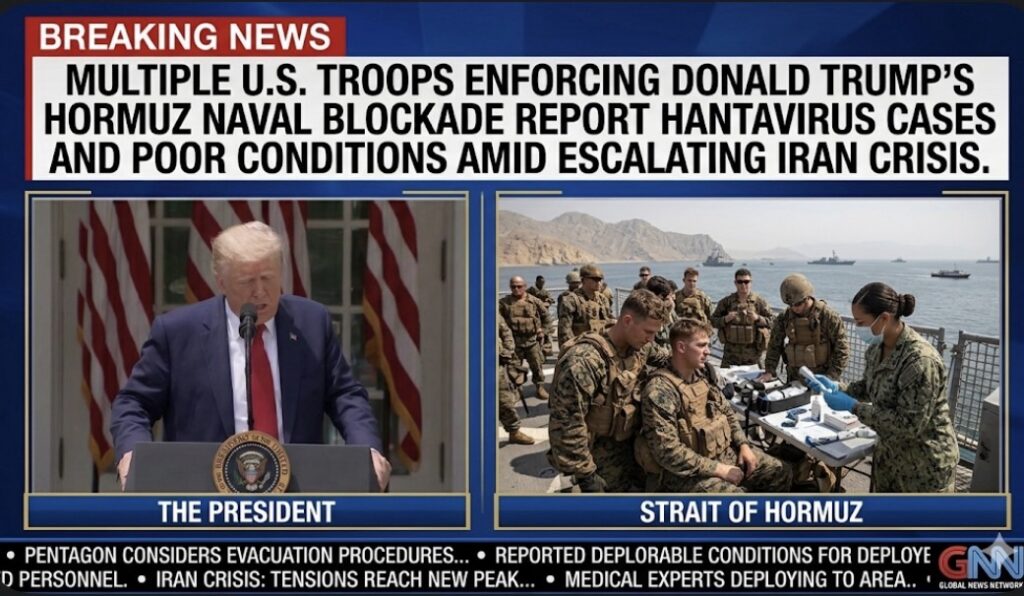
The reported illnesses come as President Donald Trump continues a high-pressure military posture toward Iran, with U.S. naval assets maintaining a constant presence near one of the world’s most strategically important shipping lanes. The blockade operation, launched amid escalating tensions between Washington and Tehran, has already placed enormous strain on troops operating in extreme heat and difficult living conditions.
According to emerging reports circulating among military families and defense insiders, several troops assigned to blockade enforcement duties have shown symptoms consistent with hantavirus, a rare but potentially dangerous disease commonly linked to exposure to rodents and contaminated environments. While officials have not publicly confirmed the number of suspected cases, the allegations have sparked growing concern online and among veterans groups.
Some deployed personnel have also reportedly complained about overcrowded conditions, limited access to proper sanitation, delayed medical attention, and exhaustion caused by the prolonged deployment cycle in the Gulf. Critics argue that the intense pace of operations tied to the Hormuz blockade may be contributing to deteriorating morale among forces stationed in the region.
The Strait of Hormuz remains one of the most sensitive military flashpoints in the world, with U.S. destroyers and allied naval forces continuing patrols amid fears of potential confrontation with Iran. The Trump administration has defended the operation as necessary to protect global shipping routes and maintain pressure on Tehran during the ongoing crisis.
Military health experts note that hantavirus cases are relatively rare but can become serious if not treated quickly. Symptoms often begin with fever, fatigue, and muscle aches before progressing into severe respiratory complications in some cases.
As tensions in the Gulf remain high, calls are now growing for greater transparency regarding troop welfare and medical conditions aboard deployed vessels and regional bases supporting the blockade mission. Neither the Pentagon nor the White House has officially addressed the reported illnesses as of Friday evening.

Travis Kelce and Taylor Swift Steal the Spotlight Alongside Selena Gomez in Glamorous Star-Studded Appearance Ahead of Her Fourth Annual Rare Impact Fund Benefit Supporting Youth Mental Health

Three-Time Super Bowl Champion Emmitt Smith Defends Taylor Swift Amid NFL Game Criticism, Insists Travis Kelce’s Wife Is Simply There to Support Her Husband and Enjoy Life

Travis Kelce’s Wife Taylor Swift Donates $1 Million to Kansas City Chiefs’ Crucial Catch Luncheon as the Popster Steps Up to Support Cancer Awareness, Early Screening and Efforts to Help More Families Detect the Disease Sooner

Taylor Swift and Travis Kelce Turn Heads After a New York Dinner Date as the Chiefs TE Meets With Publicis Sports Clients and NFL Pass Rusher Kayvon Thibodeaux to Explore the Future of NIL and Athlete Branding

Taylor Swift and Travis Kelce Turn Heads as They Step Out of a New York Restaurant After Enjoying a Cozy Dinner With Friends, Bringing Their Latest Night Out Together Into the Spotlight

Taylor Swift and Travis Kelce Join Hollywood’s Elite as Jennifer Meyer and Geoff Ogunlesi Tie the Knot in Lavish Hawaii Wedding

Taylor Swift and Mr Cleveland Travis Kelce Leave Cleveland Guardians and Chicago White Sox Game Hand in Hand After Sharing Romantic Kiss in the Stands as Donna Kelce Joins Their Family Night Out

Travis Kelce Enjoys Guardians’ Playoff Triumph Alongside Wife Taylor Swift and Mom Donna Kelce as Cleveland Defeats White Sox 2–0 to Advance to ALCS

Fit for a Queen! Travis and Jason Kelce Sweep Mom Donna Off Her Feet in Heartwarming Celebration Snap as the NFL Superstars Put Their Famous Football Careers Aside to Celebrate the Woman Behind Their Success

Donna Kelce Celebrates Her Birthday With Taylor Swift, Travis Kelce, Jason and Kylie Kelce as the Superstar Joins Her NFL Boyfriend’s Family for a Special Day

Taylor Swift Goes All Out for Donna Kelce’s Birthday With an Expensive Luxury Gift as Travis Kelce’s Mom Gets the Royal Treatment From the Pop Superstar
