
NFL
Iran Executes Two Accused of Espionage and Sabotage, Allegedly Sharing Sensitive Intelligence with the Donald Trump Administration Following the Seizure of Cargo Ship Touska in the Strait of Hormuz

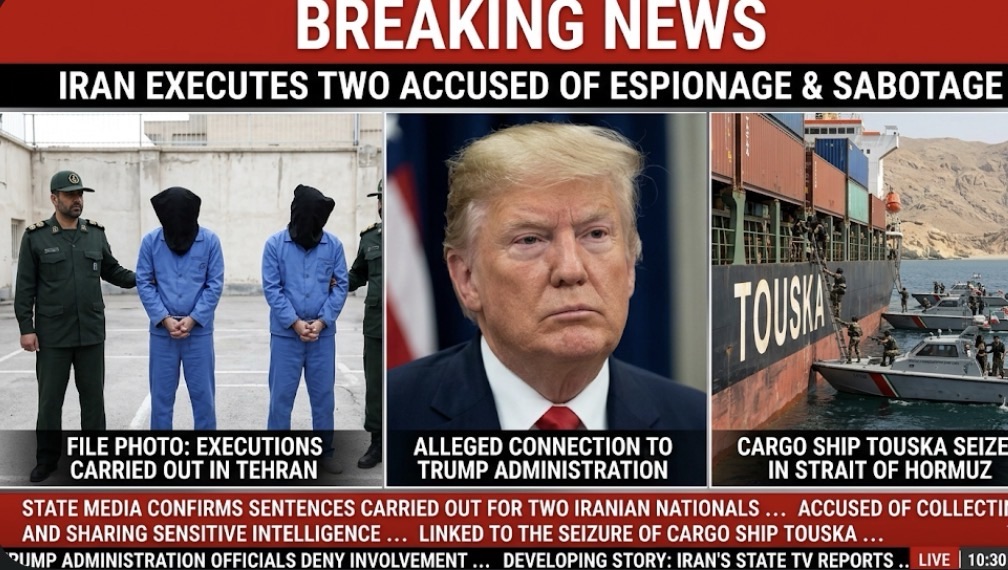
Tehran Executes Two Over Alleged Espionage Ties to U.S. Amid Touska Seizure Fallout
Tehran — Iranian authorities have executed two individuals accused of espionage and sabotage, alleging they shared sensitive intelligence with the administration of Donald Trump during the escalating crisis in the Strait of Hormuz.
According to statements carried by state media, the two were convicted of passing “critical operational information” to foreign actors, including U.S. officials, at a time of heightened military tension following the interception of the Iranian-flagged cargo vessel Touska. Iranian officials claimed the intelligence leaks may have aided U.S. naval forces in tracking or intercepting the ship.
The executions come just days after U.S. forces reportedly seized the Touska in the strategic waterway, a move that has sharply intensified tensions between Tehran and Washington. The Strait of Hormuz, a vital global oil chokepoint, has once again become the center of geopolitical friction, with both sides trading accusations and warnings.
Iranian authorities described the executed individuals as “agents of destabilization,” accusing them not only of espionage but also of attempting to undermine national security during what officials called a “sensitive military confrontation.” The judiciary said the sentences were carried out following what it described as due legal process, though no independent verification of the proceedings has been made public.
The government framed the executions as a firm response to foreign interference, signaling that collaboration with hostile powers during a period of conflict would be met with severe consequences. Analysts say the move reflects a broader internal crackdown aimed at deterring intelligence leaks and projecting strength domestically amid external pressure.
There has been no immediate official response from Washington or representatives linked to Donald Trump. However, the development is likely to further strain already fragile relations, as both countries navigate a rapidly evolving standoff in the region.
The incident also raises concerns among international observers about due process and the use of capital punishment in politically sensitive cases. Human rights organizations have frequently criticized Iran’s use of executions, particularly in cases involving national security charges where details are often limited.
As tensions continue to mount in the Strait of Hormuz, the executions underscore the high stakes surrounding the Touska seizure and the broader confrontation between Iran and the United States. Observers warn that actions on both sides — military and judicial — risk deepening the crisis and narrowing the path to de-escalation.

Travis Kelce and Taylor Swift Steal the Spotlight Alongside Selena Gomez in Glamorous Star-Studded Appearance Ahead of Her Fourth Annual Rare Impact Fund Benefit Supporting Youth Mental Health

Three-Time Super Bowl Champion Emmitt Smith Defends Taylor Swift Amid NFL Game Criticism, Insists Travis Kelce’s Wife Is Simply There to Support Her Husband and Enjoy Life

Travis Kelce’s Wife Taylor Swift Donates $1 Million to Kansas City Chiefs’ Crucial Catch Luncheon as the Popster Steps Up to Support Cancer Awareness, Early Screening and Efforts to Help More Families Detect the Disease Sooner

Taylor Swift and Travis Kelce Turn Heads After a New York Dinner Date as the Chiefs TE Meets With Publicis Sports Clients and NFL Pass Rusher Kayvon Thibodeaux to Explore the Future of NIL and Athlete Branding

Taylor Swift and Travis Kelce Turn Heads as They Step Out of a New York Restaurant After Enjoying a Cozy Dinner With Friends, Bringing Their Latest Night Out Together Into the Spotlight

Taylor Swift and Travis Kelce Join Hollywood’s Elite as Jennifer Meyer and Geoff Ogunlesi Tie the Knot in Lavish Hawaii Wedding

Taylor Swift and Mr Cleveland Travis Kelce Leave Cleveland Guardians and Chicago White Sox Game Hand in Hand After Sharing Romantic Kiss in the Stands as Donna Kelce Joins Their Family Night Out

Travis Kelce Enjoys Guardians’ Playoff Triumph Alongside Wife Taylor Swift and Mom Donna Kelce as Cleveland Defeats White Sox 2–0 to Advance to ALCS

Fit for a Queen! Travis and Jason Kelce Sweep Mom Donna Off Her Feet in Heartwarming Celebration Snap as the NFL Superstars Put Their Famous Football Careers Aside to Celebrate the Woman Behind Their Success

Donna Kelce Celebrates Her Birthday With Taylor Swift, Travis Kelce, Jason and Kylie Kelce as the Superstar Joins Her NFL Boyfriend’s Family for a Special Day

Taylor Swift Goes All Out for Donna Kelce’s Birthday With an Expensive Luxury Gift as Travis Kelce’s Mom Gets the Royal Treatment From the Pop Superstar
