
NFL
Iran Reimposes Strict Control Over Strait of Hormuz, Reclosing the international waterway in Response to Donald Trump’s Persistent US Naval Blockade

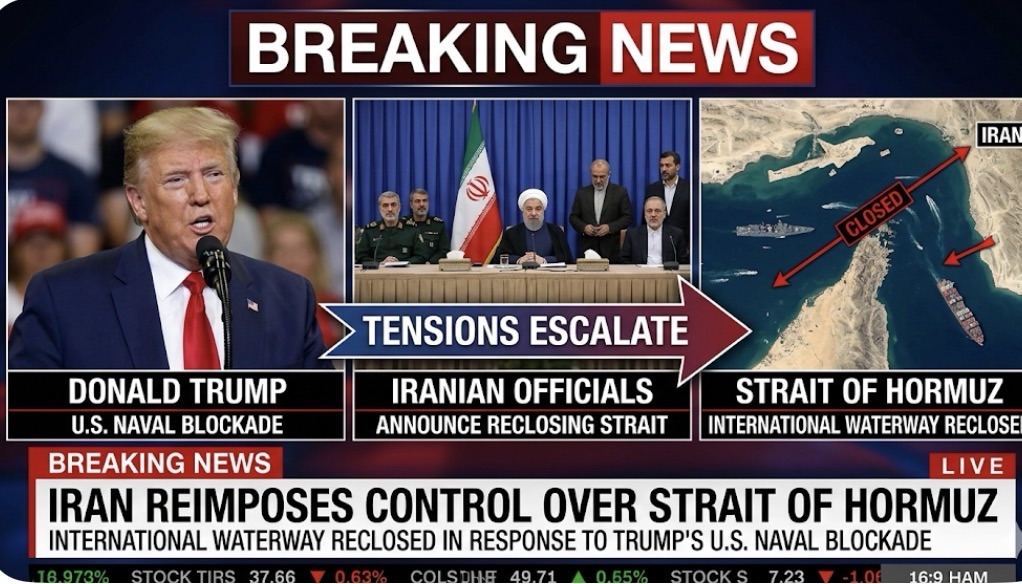
Iran Reimposes Strict Control Over Strait of Hormuz in Response to Persistent U.S. Naval Blockade
Iran has once again tightened its grip on the strategic Strait of Hormuz, reimposing strict control measures in response to the continued U.S. naval blockade targeting its ports and oil exports. The move marks a sharp escalation in tensions in the already volatile Gulf region and underscores the fragile state of ongoing ceasefire efforts.
Tehran’s military command announced the renewed restrictions just a day after signaling a partial reopening of the vital waterway, citing what it described as ongoing “hostile” actions by the United States. The Strait of Hormuz—through which a significant portion of the world’s oil supply passes—has become the focal point of the broader conflict between the two nations.
A Conditional Reopening Reversed
Earlier developments had raised cautious optimism after Iran allowed limited maritime traffic through the strait under strict supervision by its Islamic Revolutionary Guard Corps (IRGC). Ships were required to seek Iranian authorization and follow designated safe corridors, reflecting Tehran’s intent to maintain operational control even during de-escalation efforts.
However, Iranian officials warned that any continuation of the U.S. blockade would nullify these concessions. That warning has now materialized, with authorities reversing course and reinstating tighter restrictions on passage through the waterway.
U.S. Blockade Remains Central Flashpoint
At the heart of the dispute is the U.S. naval blockade imposed in April 2026 following failed negotiations to end the Iran conflict. The blockade, enforced by warships, aircraft, and surveillance systems, is designed to restrict vessels entering or leaving Iranian ports.
Although U.S. officials have clarified that the blockade targets Iranian ports rather than the entire strait, its practical effect has been widespread disruption of maritime traffic in the region. Ships have been intercepted or turned back, and many commercial operators remain hesitant to transit the area due to security risks.
Strategic and Economic Stakes
The Strait of Hormuz is one of the world’s most critical maritime chokepoints, handling roughly 20–25% of global oil shipments. Any disruption to its operations has immediate global consequences, from rising energy prices to supply chain instability.
The renewed restrictions have already raised concerns among international stakeholders. Global leaders have called for the full restoration of safe navigation, warning that prolonged instability could trigger further economic shocks.
Meanwhile, hundreds of vessels remain stalled or rerouted, and insurance costs for shipping through the Gulf continue to climb sharply.
Fragile Ceasefire, Uncertain Outlook
The latest developments highlight the fragile nature of the current ceasefire framework. While diplomatic efforts are ongoing, both sides appear unwilling to concede on key strategic demands—particularly regarding freedom of navigation and economic sanctions.
Iran has made clear that it views the U.S. blockade as an act of “economic warfare,” while Washington maintains it as necessary leverage in negotiations. With neither side backing down, the Strait of Hormuz remains a geopolitical pressure point with the potential to impact not just the region, but the global economy.
As tensions persist, the possibility of further disruptions—or even direct confrontation—cannot be ruled out.

Fit for a Queen! Travis and Jason Kelce Sweep Mom Donna Off Her Feet in Heartwarming Celebration Snap as the NFL Superstars Put Their Famous Football Careers Aside to Celebrate the Woman Behind Their Success

Donna Kelce Celebrates Her Birthday With Taylor Swift, Travis Kelce, Jason and Kylie Kelce as the Superstar Joins Her NFL Boyfriend’s Family for a Special Day

Taylor Swift Goes All Out for Donna Kelce’s Birthday With an Expensive Luxury Gift as Travis Kelce’s Mom Gets the Royal Treatment From the Pop Superstar

Travis Kelce Confirms ‘Best News’ Yet as After Celebrating His 37th Birthday in Romantic Style With Wife Taylor Swift

Taylor Swift Appears to Keep Her Hand Loose as Travis Kelce Holds On After Witness Claims the Couple Had a Tense Argument Before Leaving—Candid Photos Fuel Fresh Questions About Their Unusual Exchange

Travis Kelce and Taylor Swift Step Out in London With Jason Kelce for a Star-Studded Sightseeing Adventure After Celebrating Travis’ 37th Birthday in New York City

Travis Kelce Turns 37 in Style as Taylor Swift Shares Cozy Birthday Moments and a Stunning Cake From Their Ohio Mansion After Chiefs’ Thrilling Victory Over the Raiders

Taylor Swift Appears to Give Raiders Fan the MIDDLE FINGER After He Trolls Travis Kelce With Brutal “Scores 6s on the Field… 3s Off the Field” Sign During Raiders’ Loss

Taylor Swift and Husband Travis Kelce Share Sweet Hand-in-Hand Moment as They Leave Allegiant Stadium After Chiefs Edge Raiders 30–27 in Thrilling Finish

Taylor Swift Goes Wild and Jubilates Inside Allegiant Stadium as Patrick Mahomes’ Second Touchdown Pass to Tyquan Thornton Sends the Kansas City Chiefs Into a 17–13 Lead Over the Raiders in the Fourth Quarter

Taylor Swift Spotted at Allegiant Stadium To Support Travis Kelce and Chiefs as Patrick Mahomes Leads the Kansas City Chiefs Back to Level With the Las Vegas Raiders at 7–7 in a Tense Battle in Las Vegas With Tyquan Thornton for a Touchdown
